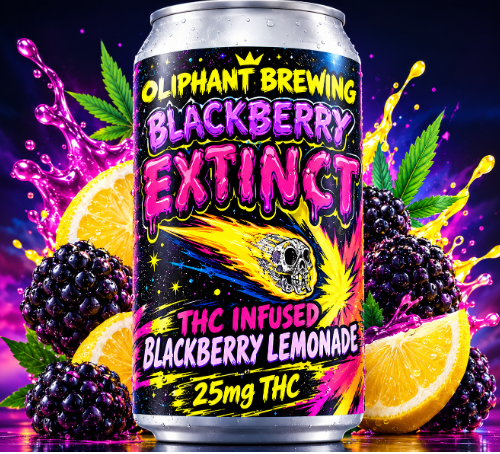
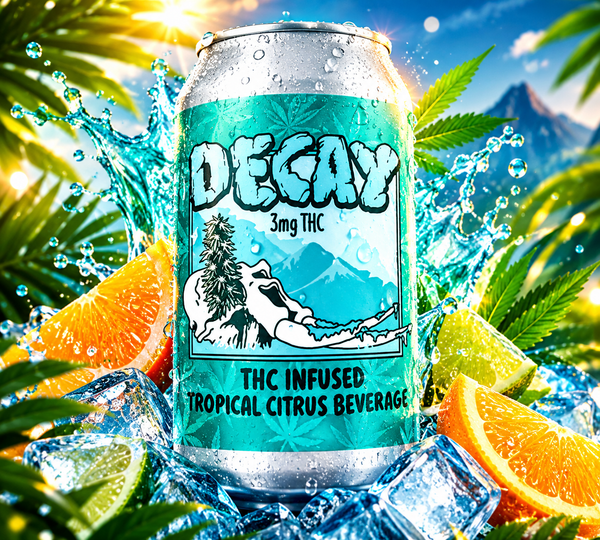
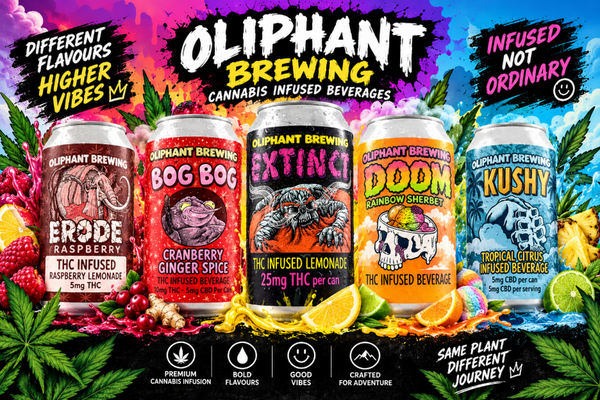
Flavor balance THC drinks are a central focus in the evolution of cannabis-infused beverages. As consumer expectations shift toward products that resemble traditional soft drinks in taste and experience, formulation approaches have become more refined and science-driven. The goal is no longer limited to delivering THC effectively but also to ensure that the sensory experience is consistent, pleasant, and aligned with familiar beverage categories.
THC introduces inherent bitterness and herbal notes that can interfere with intended flavors. Without proper balancing, the drink may feel unstructured or overly medicinal. This has led to increased reliance on beverage flavor science, where taste, aroma, and mouthfeel are treated as interconnected variables.
The importance of balance becomes more evident when considering repeat consumption. A well-balanced beverage encourages continued use, while an imbalanced one may discourage it regardless of its functional benefits. This makes flavor balance not just a sensory concern but also a product development priority.
Understanding Flavor Profiles in THC Drinks
Sweet vs Bitter THC Drinks
The relationship between sweet vs bitter THC drinks defines much of the formulation process. THC naturally activates bitter receptors, which can dominate the palate if left unaddressed. Sweetness is commonly used to counteract this effect, but it must be applied with precision.
Sweet-forward beverages often incorporate fruit flavors such as citrus, berry, or tropical blends. These profiles are widely accepted and help create familiarity for consumers. However, excessive sweetness can lead to a cloying taste, reducing overall drinkability.
Bitter-forward beverages, while less common, are gaining attention among consumers who prefer more complex and less sugary options. These drinks may include botanical or herbal notes that align with THC’s natural profile. Even in these cases, bitterness must be controlled to maintain balance.
The objective is not to eliminate bitterness entirely but to integrate it in a way that complements other flavor elements.
Core Flavor Challenges
Formulating THC beverages involves addressing several recurring challenges:
- The inherent bitterness of cannabinoids
- Lingering aftertaste that conflicts with primary flavors
- Variability in flavor perception due to dosage differences
- Degradation of flavor compounds over time
- Interaction between THC and other ingredients
Each of these challenges requires targeted solutions rooted in both chemistry and sensory analysis.

Foundations of Beverage Flavor Science
Beverage flavor science provides the framework for understanding how different components interact to create a cohesive taste experience. This field combines principles from chemistry, biology, and sensory science.
Taste perception is influenced by five primary categories: sweet, sour, bitter, salty, and umami. THC primarily engages bitter receptors, which can overshadow other taste signals. Balancing this requires strategic use of sweetness and acidity.
Aroma plays a critical role in flavor perception. Volatile compounds released during consumption contribute significantly to how a beverage is experienced. By enhancing aroma, formulators can shift the perception of taste without altering the chemical composition significantly.
Mouthfeel is another key factor. Elements such as carbonation, viscosity, and temperature affect how flavors are delivered. Carbonation, for instance, can enhance brightness and reduce the perception of heaviness, making it a valuable tool in THC beverage formulation.
Sensory Perception and Cannabinoids
Cannabinoids interact with sensory systems in unique ways. THC not only contributes bitterness but can also influence how other flavors are perceived. This interaction makes formulation more complex compared to non-infused beverages.
The perception of bitterness can vary among individuals due to genetic differences in taste receptors. This variability means that a formulation perceived as balanced by one group may not be experienced the same way by another.
Additionally, the onset and duration of THC effects can influence perception. As the compound is metabolized, sensory awareness may shift, subtly altering how flavors are experienced over time. This dynamic aspect adds another layer of complexity to beverage design.
Methods for Flavor Masking THC
Flavor masking THC involves multiple strategies that work together to reduce bitterness and improve overall taste. These approaches are often used in combination rather than isolation, as a single method may not fully address the complexity of THC’s flavor profile. By layering techniques and carefully adjusting ingredient ratios, formulators can create beverages that feel balanced and consistent across different batches.
Sweetness Adjustment
Sweeteners are widely used to counteract bitterness. Options include traditional sugars as well as alternative sweeteners. Each has unique characteristics that influence flavor and mouthfeel. For example, cane sugar provides a clean sweetness, while alternatives like stevia or monk fruit may introduce subtle aftertastes that require additional balancing. The choice of sweetener also affects calorie content and consumer perception, making it an important formulation decision.
Acid Integration
Acidity helps balance both sweetness and bitterness. Ingredients such as citric acid or malic acid are commonly used to create a refreshing profile. Acids can also enhance brightness and sharpen fruit flavors, making the overall beverage taste more vibrant. The level of acidity must be carefully controlled to avoid creating an overly sour or harsh experience.
Flavor Layering
Layering involves combining complementary flavors to create depth. For example, citrus notes can be paired with subtle herbal undertones to create a more cohesive profile. This technique allows formulators to distribute attention across multiple taste elements, reducing the prominence of THC bitterness while enhancing complexity.
Encapsulation Techniques
Encapsulation reduces direct interaction between THC and taste receptors. This approach can significantly minimize bitterness and aftertaste. It also improves dispersion within the beverage, contributing to a smoother and more uniform flavor experience.
Use of Complementary Ingredients
Botanicals, spices, and natural extracts can align with THC’s inherent profile, making the overall flavor feel more integrated rather than masked. Ingredients such as ginger, mint, or vanilla can add layers of aroma and taste that harmonize with the base formulation, resulting in a more balanced and refined beverage.
Ingredient Systems and Formulation Logic
A structured formulation approach involves selecting ingredients that serve specific roles:
- Base liquids provide the primary medium
- Sweeteners adjust taste perception
- Acids balance flavor intensity
- Aromatics enhance sensory appeal
- Stabilizers maintain consistency
Each component must be evaluated not only individually but also in terms of how it interacts with others. This systems-based approach ensures that the final product is cohesive.

Oliphant Drink Formulation Principles
Oliphant drink formulation focuses on achieving balance through precision and iteration. The process involves continuous testing and refinement to ensure that each element contributes positively to the overall experience.
Key principles include:
- Maintaining consistency across batches
- Using complementary flavor systems
- Minimizing reliance on excessive sweetness
- Incorporating sensory feedback into development
This approach reflects a broader trend toward more sophisticated and scientifically grounded beverage design.
Comparative Flavor Table
|
Flavor Category |
Key Components |
Balancing Method |
Sensory Outcome |
|
Citrus |
Lemon, lime |
Acid and sweetness |
Bright and crisp |
|
Berry |
Strawberry, blueberry |
Sweetness and aroma |
Smooth and familiar |
|
Tropical |
Mango, pineapple |
Layered sweetness |
Rich and vibrant |
|
Herbal |
Mint, basil |
Complementary blending |
Fresh and complex |
|
Spiced |
Ginger, cinnamon |
Integrated warmth |
Structured and bold |
Consumer Preferences and Sensory Testing
Understanding consumer preferences is essential for successful product development. Sensory testing provides insights into how different formulations are perceived.
Methods include:
- Blind tasting sessions
- Descriptive sensory analysis
- Quantitative preference mapping
Data from these methods helps identify trends and refine formulations. While many consumers prefer mildly sweet beverages, there is growing interest in less sugary and more complex profiles.
Practical Formulation Strategies
Effective formulation requires a systematic approach:
- Define the desired flavor profile
- Select ingredients that align with this goal
- Adjust sweetness and acidity incrementally
- Conduct repeated testing
- Monitor changes over time
Attention to detail at each stage ensures that the final product meets both sensory and functional expectations.
Stability, Shelf Life, and Scalability
Maintaining flavor consistency over time is a significant challenge. Factors such as light, temperature, and oxygen exposure can affect both THC and flavor compounds.
Stability testing is essential to ensure that the product retains its intended profile throughout its shelf life. Scaling production introduces additional complexities, as small variations can become more pronounced at larger volumes.
Regulatory and Labeling Considerations
THC beverages are subject to regulatory requirements that vary by region. These regulations can influence ingredient selection, labeling, and marketing practices.
Compliance is essential not only for legal reasons but also for consumer trust. Accurate labeling ensures that consumers understand what they are consuming and can make informed decisions.

Emerging Trends in THC Beverages
The THC beverage category continues to evolve, with several trends shaping its future:
- Increased demand for low-sugar options
- Use of natural and functional ingredients
- Advances in encapsulation technology
- Expansion into new flavor categories
These trends reflect a broader shift toward products that combine functionality with a high-quality sensory experience.
Conclusion
Flavor balance THC drinks remain a defining factor in the development of successful THC-infused beverages. Achieving this balance requires a detailed understanding of beverage flavor science, careful ingredient selection, and precise formulation techniques.
The interplay between sweet vs bitter THC drinks highlights the diversity of consumer preferences, while advances in flavor masking THC continue to improve the overall sensory experience. A structured approach, such as Oliphant drink formulation, demonstrates how scientific principles can be applied to create beverages that are both functional and enjoyable.
As the industry continues to evolve, the importance of flavor balance will only increase. Products that successfully integrate THC into a well-structured flavor system are more likely to meet consumer expectations and maintain consistency over time.
For inquiries or more information, contact us.
Frequently Asked Questions
Q1: What is flavor balance in THC drinks?
It refers to the integration of sweetness, bitterness, acidity, and aroma to create a cohesive taste experience.
Q2: Why is THC bitter?
THC naturally activates bitter taste receptors, which can dominate the flavor profile if not balanced.
Q3: How is flavor masking THC achieved?
Through a combination of sweetness, acidity, flavor layering, and encapsulation techniques.
Q4: Are sweet or bitter THC drinks better?
This depends on individual preference, but balance is important in both styles.
Q5: What role does beverage flavor science play?
It provides the principles needed to design beverages with consistent and enjoyable flavor profiles.