THC soft drink trends are reshaping how consumers approach social beverages, wellness routines, and alternatives to traditional alcohol. As market dynamics shift in favor of functional beverages that offer effects beyond simple hydration, THC‑infused soda and related innovations have gained significant attention. This comprehensive article uncovers why non‑alcoholic THC soft drinks are growing in popularity, examining market forces, consumer preferences, product science, regulatory considerations, and future trends.
Throughout this in‑depth exploration, we will provide an informative, research‑based perspective grounded in the latest developments in the cannabis soft drinks market without resorting to promotional language. By the end, readers will gain a nuanced understanding of how THC soft drinks compare with alcohol alternative drinks and other functional beverages, who is consuming them and why, and what challenges and opportunities lie ahead.
Introduction to THC Soft Drinks
THC soft drinks represent a growing segment within both the cannabis industry and the broader beverage category. They are non‑alcoholic beverages infused with tetrahydrocannabinol (THC), a psychoactive compound found in cannabis. Unlike alcoholic drinks that are consumed for recreational effect, THC‑infused sodas and functional beverages offer a different spectrum of experience, often with targeted effects such as relaxation, mood enhancement, or social ease.
The surge in interest in THC soft drink trends correlates with broader consumer shifts toward mindful consumption, wellness prioritization, and alternatives to alcohol that still offer social or sensory engagement. These beverages may resemble traditional sodas, sparkling waters, or functional tonics but distinguish themselves by the presence of THC, which interacts with the body’s endocannabinoid system.
The Rise of the Cannabis Soft Drinks Market
Defining the Cannabis Soft Drinks Category
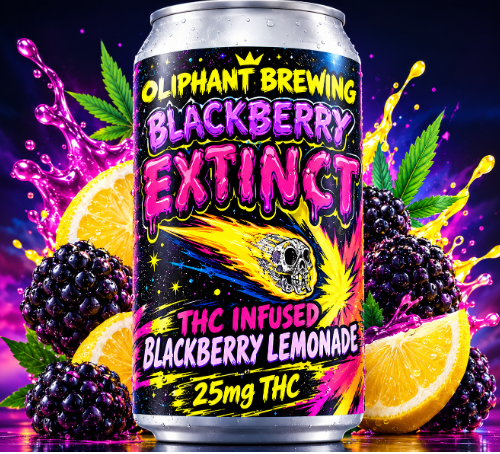
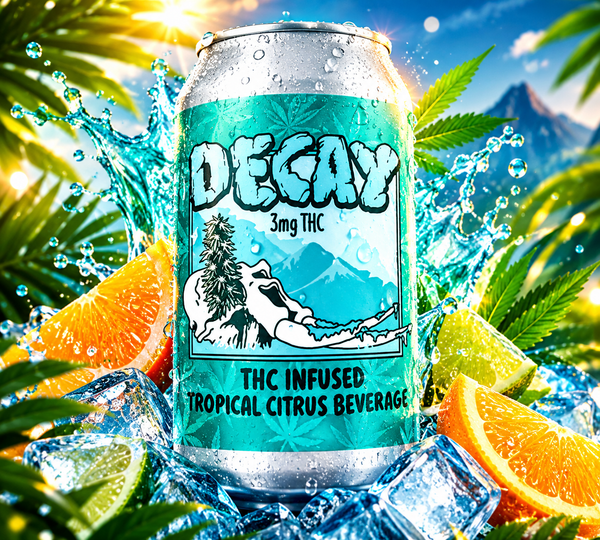
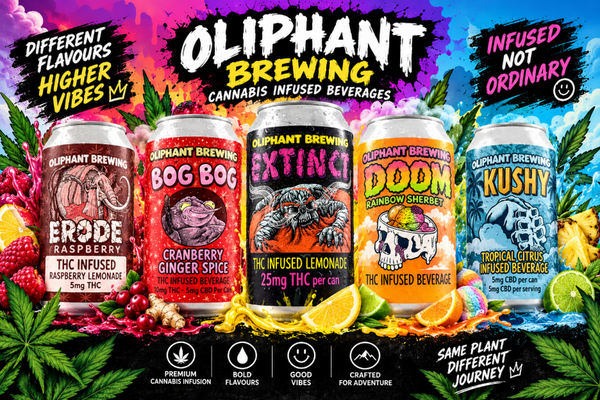
The cannabis soft drinks market encompasses beverages infused with cannabinoids, particularly THC and sometimes CBD (cannabidiol), formulated to deliver consistent, measurable effects. Unlike edibles such as gummies or chocolates, beverages provide a liquid medium that can be flavored, carbonated, and consumed similarly to traditional soft drinks.
This category includes, but is not limited to:
- THC‑infused sodas
- Sparkling cannabis beverages
- Functional tonics with cannabinoid blends
- Herbal infusion beverages with cannabis extracts
While the segment is young relative to other functional beverage categories, it is rapidly expanding in regions where cannabis legalization supports commercialization.
Historical Context: From Counterculture to Consumer Product
Cannabis consumption has existed in various cultural contexts for centuries, but its mainstream commercialization has been limited by legal restrictions in many regions. As legalization efforts gained momentum in the late 20th and early 21st centuries, cannabis products began transitioning from informal channels into regulated marketplaces.
Early cannabis beverages faced challenges related to taste, dosing, and consumer education. However, improvements in extraction technology, flavor masking techniques, and dosing precision have helped THC soft drinks evolve from niche curiosities into viable product offerings within the broader cannabis soft drinks market.
Why Consumers Are Choosing THC Soft Drinks?
The rapid growth in interest around THC soft drink trends reflects shifting consumer values and lifestyle preferences. Here are some of the primary drivers:
Shift Toward Alcohol Alternative Drinks
As public health awareness increases and drinking culture evolves, many consumers are seeking alternatives to alcoholic beverages. Alcohol alternative drinks include non‑alcoholic beers, mocktails, and emerging categories such as THC‑infused beverages. Unlike traditional alcohol, which can produce hangovers and long‑term health concerns, THC soft drinks offer psychoactive effect without ethanol.
These alternatives appeal to consumers who want social engagement or relaxation without the downsides commonly associated with alcohol consumption.
Functional Beverage Appeal
Functional beverages are defined by their added benefits beyond simple hydration. This includes ingredients intended to support mood, energy, relaxation, or cognitive clarity. THC soft drinks sit within this functional category because they provide a psychoactive effect that can be framed within broader lifestyle goals.
Daily routines increasingly include products that claim to support wellness from adaptogen‑infused teas to nootropic drinks. THC beverages appeal to consumers seeking experiences aligned with stress relief, unwinding after work, or enhanced social connection.
Wellness and Lifestyle Influences
Wellness culture places emphasis on intentional consumption. Instead of passive use of substances, consumers are seeking products with clear purpose and predictable effects. THC‑infused sodas can be positioned within wellness frameworks when coupled with education about responsible use, clear dosing, and transparent ingredient lists.
As more people become familiar with cannabis compounds and their effects, social stigma decreases and curiosity fosters experimentation within regulated markets.

Understanding THC and Its Effects
What Is THC?
Tetrahydrocannabinol (THC) is one of the primary cannabinoids found in cannabis and is responsible for many of the plant’s psychoactive effects. When consumed, THC interacts with the body’s endocannabinoid system, which regulates mood, appetite, sleep, and pain perception.
THC’s effects can vary based on dose, individual tolerance, metabolism, and consumption method. Commonly reported experiences include relaxation, altered sensory perception, euphoria, and changes in time perception.
THC in Beverage Form: How Absorption Differs
THC consumed via beverages undergoes a metabolic process distinct from smoking or edibles. When ingested orally, cannabinoids are processed through the digestive system and liver, where they are converted into more bioactive forms. Effects can take longer to onset often between 30 minutes and two hours but may last longer.
The liquid matrix of THC soft drinks can influence absorption rate, flavor profile, and overall experience. Product formulations aim to balance taste, consistency, and predictable dosing.
Safety Considerations and Responsible Consumption
Understanding THC’s pharmacokinetics and individual tolerance is essential for safe use. Overconsumption can lead to unwanted effects such as anxiety, dizziness, or discomfort. Individuals are advised to start with low doses and allow sufficient time to assess effects before consuming more.
Certain populations such as pregnant individuals, those with heart conditions, or people taking medications should consult healthcare professionals before using THC products.
Key Players & Product Innovation in the Market
Product Formulations and Flavor Trends
Innovation in the cannabis soft drinks market focuses on taste, experience, and function. Early products often struggled with earthy or bitter flavors typical of cannabis extracts. Recent advances in flavor masking, natural botanicals, and carbonated formulations have led to beverages that appeal to a wider audience.
Flavor trends reflect broader beverage industry movements citrus blends, botanical fusions, lightly sweetened tonics, and low‑calorie options. Manufacturers balance sensory appeal with stable cannabinoid infusion.
Packaging and Brand Positioning
Packaging in the THC beverage space serves multiple purposes: product protection, regulatory compliance, and consumer information. Brands often emphasize dosing clarity, ingredient transparency, and usage guidance, reflecting a shift toward responsible consumption.
Positioning varies from wellness‑oriented tonics to lifestyle beverages designed for social settings. This diversity helps attract different consumer segments while reinforcing legitimacy in the broader functional beverage category.
Regulatory Landscape for THC Beverages
Federal and State Policies
The legal framework governing THC products including beverages varies widely by country and region. In the United States, for example, cannabis remains federally illegal, but many states allow recreational or medicinal use. Regulations impact manufacturing, distribution, labeling, testing, and sales.
Countries with legalized cannabis markets have established frameworks to ensure product safety, potency verification, and consumer protection. These regulations aim to prevent underage access and ensure consistent dosing information.
Labeling and Quality Standards
Quality standards for THC soft drinks include potency testing, contaminant screening, and accurate labeling. Labels typically provide information on cannabinoid content, serving size, and usage warnings. Regulatory bodies may require third‑party testing to verify claims, reducing the risk of inconsistent dosing.
Compliance with regulatory requirements contributes to consumer confidence and acceptance of cannabis soft drinks as a legitimate product category.

Cannabis Soft Drinks vs. Alcohol and Other Alternatives
Side‑by‑Side Comparison
|
Feature |
THC Soft Drinks |
Alcoholic Beverages |
Other Functional Beverages |
|
Primary Active Effect |
Cannabinoid‑induced psychoactivity |
Ethanol intoxication |
Varies (adaptogens, caffeine, vitamins) |
|
Onset Time |
30 120 minutes |
Minutes (oral) |
Varies |
|
Duration of Effect |
Longer |
Variable |
Variable |
|
Hangover Potential |
Low to none |
Moderate to high |
Generally none |
|
Target Use |
Relaxation, social, wellness |
Social, celebratory |
Energy, relaxation, health |
|
Legal Status |
Regulated cannabis markets |
Widely legal |
Legal in most regions |
This table illustrates how THC soft drinks occupy a unique niche compared with alcohol and other functional beverages. Each category has distinct consumer use cases and cultural contexts.
Consumer Perceptions and Market Data
Consumers increasingly view THC beverages as nuanced alternatives that deliver psychoactive effects without the intoxicating aspects of alcohol. Market data suggests this segment attracts curiosity from traditional alcohol consumers, wellness‑centric individuals, and those interested in novel beverage experiences.
Research indicates that social drinking behaviors, health motivations, and lifestyle trends influence beverage choice factors that contribute to the expanding cannabis soft drinks market.
Economic and Social Impacts of the THC Soft Drink Trend
Emerging Markets and Job Creation
The growth of the cannabis soft drinks market has economic implications. New manufacturing facilities, distribution networks, and retail channels support job creation. Ancillary services such as testing labs, packaging companies, and marketing agencies also benefit from category expansion.
Regions with legalized cannabis markets have observed increased tax revenues and business opportunities tied to product innovation.
Social Acceptance and Stigma Reduction
As consumer familiarity with cannabis products increases, social stigma historically associated with cannabis use is evolving. Educational efforts, transparent product information, and regulated marketplaces contribute to informed consumption and broader acceptance.
Cultural shifts around cannabis paralleling those seen with alcohol in prior decades continue to influence social perceptions and normalized usage in responsible contexts.
Market Challenges and Barriers to Growth
Regulation and Compliance Costs
While regulation enhances safety and consumer trust, compliance can be costly and complex. Manufacturers navigate licensing fees, testing requirements, and varying regional standards, which can present barriers for small or emerging brands.
Harmonizing regulations across jurisdictions remains a challenge for broader market scalability.
Distribution Challenges
Distribution models for THC beverages differ from traditional beverage channels due to legal constraints. Direct sales through licensed dispensaries or regulated outlets limit access compared with mainstream retail channels. Evolving distribution models may influence consumer reach and adoption rates over time.

Future Outlook for THC Soft Drinks
Innovation Pipeline
Expect continued product innovation in the cannabis soft drinks market. Future developments may include microdosed options, customized cannabinoid blends, or beverages targeted at specific experiences such as focus, sleep support, or mood enhancement.
Cross‑category collaborations with traditional beverage companies could further accelerate interest and accessibility.
Evolving Consumer Preferences
As consumer education deepens and preferences evolve, demand for predictable experiences, transparent formulations, and quality craftsmanship will shape future offerings. The intersection of wellness, social engagement, and alternative beverage choice positions THC soft drinks for ongoing relevance in a diversified market.
Table: Comparative Overview of Beverage Categories
|
Category |
Psychoactive Effect |
Health Considerations |
Social Context |
Typical Consumers |
|
THC Soft Drinks |
Moderate, targetable |
Lower than alcohol |
Social/wellness |
Curious, wellness oriented |
|
Alcoholic Beverages |
High, ethanol based |
Hangover, health risk |
Social/celebratory |
Broad adult demographic |
|
Non‑Alcoholic Beverages |
None |
Neutral to positive |
Casual/family |
Health conscious |
|
Functional Beverages |
Varies |
Health focused |
Routine/wellness |
Active lifestyle users |
This table demonstrates distinctions between beverage categories based on key factors such as effects, health implications, and consumer context.
Conclusion
THC soft drink trends reflect a growing consumer interest in alternative beverage experiences that intersect with wellness, social engagement, and functional lifestyle choices. As part of the broader cannabis soft drinks market, THC‑infused sodas and related products continue to evolve in formulation, regulatory frameworks, and cultural acceptance. Understanding the science, market dynamics, and responsible consumption practices helps consumers make informed decisions in a landscape that is rapidly expanding.
For further information about THC soft drinks and product offerings, contact us.
Frequently Asked Questions
Q1: What are THC soft drinks?
THC soft drinks are non‑alcoholic beverages infused with tetrahydrocannabinol (THC), designed to provide measurable cannabinoid‑based effects.
Q2: How do THC beverages compare with alcohol?
THC drinks offer a different psychoactive experience compared with alcohol and are often considered alternatives for relaxation or social engagement without ethanol intoxication.
Q3: Are THC soft drinks legal?
Legality depends on regional cannabis laws. In areas where recreational or medicinal cannabis is legalized, regulated THC beverages may be available under strict compliance frameworks.
Q4: How long does it take to feel the effects of a THC soft drink?
Effects can range from 30 minutes to two hours after consumption, depending on metabolism and beverage formulation.
Q5: Are there safety considerations with THC beverages?
Yes. Consumers should start with low doses, understand individual tolerance, and consult medical professionals if they have health concerns or are on medication.