
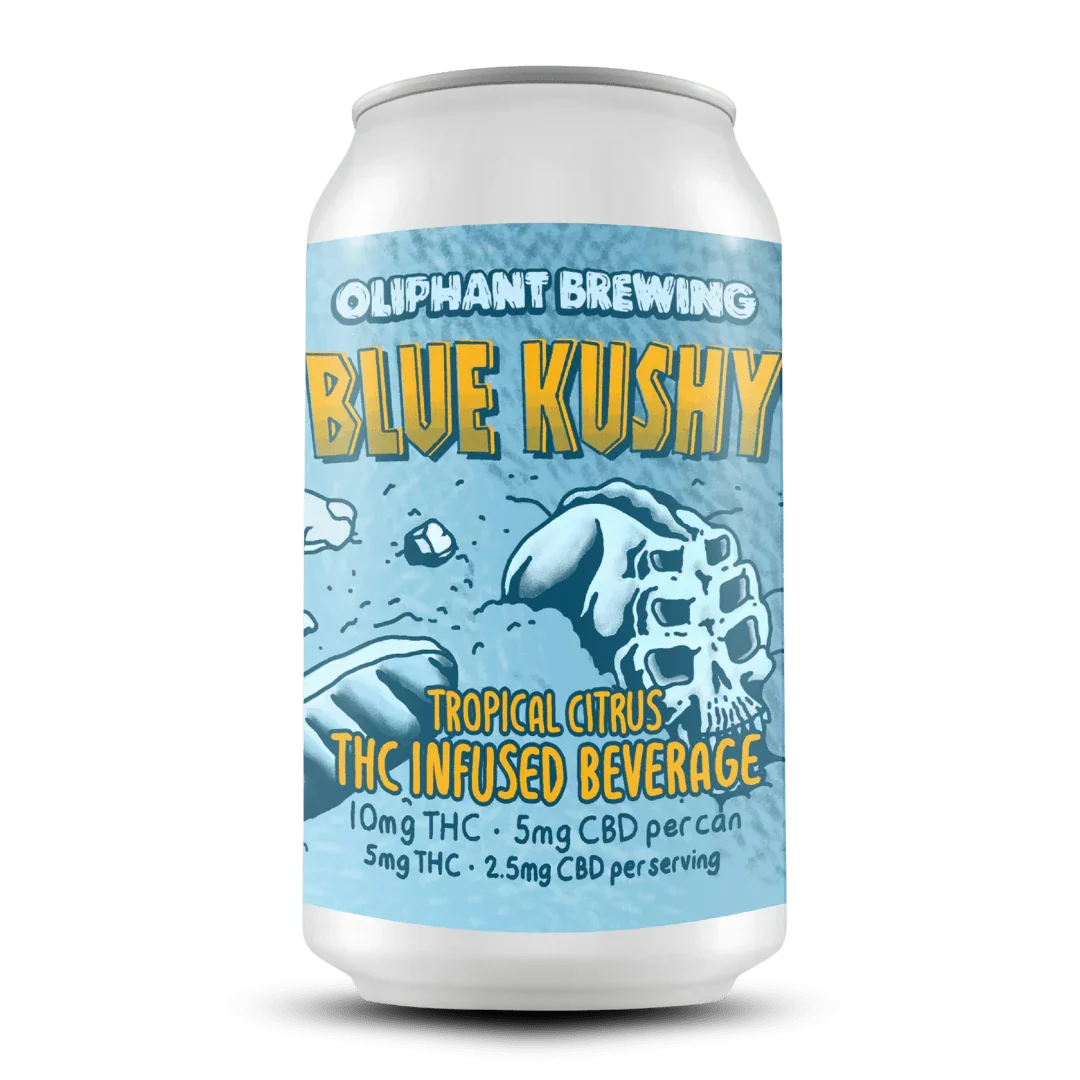
THC drinks for experienced users are not a “newbie-only” trend anymore. In fact, the edible category has been scaling fast: U.S. cannabis edibles sales grew from $2.0B in 2020 to $3.6B in 2023(BDSA, 2024), and beverages are carving out a bigger slice as formulations get smoother, faster, and more predictable. Meanwhile, consumer behavior is shifting toward “sessionable” experiences that feel closer to having a beer than taking a bite of mystery brownie. This matters right now because 2026 is all about control: controlled onset, controlled dose, controlled vibe. In this guide, you’ll learn why experienced consumers increasingly prefer drinkable THC, how to pick products like a pro, what the 2026 trends signal, and the mistakes that still wreck an otherwise perfect night.
1) The experienced user mindset: control beats chaos
When you’ve been around cannabis long enough, novelty stops being the goal. Repeatability becomes the flex. Advanced cannabis consumption is basically a search for the same outcome on demand: the right lift, the right duration, and minimal surprise.
Experienced consumers optimize for predictable outcomes
Flower can vary by harvest, terpene retention, grind, and burn rate. Traditional edibles can vary by digestion speed and “did I eat dinner” randomness. THC beverages, especially modern emulsified formats, have become the go-to for users who want a consistent lane: one can, one vibe, no drama.
Social pacing matters more than peak intensity
Seasoned consumers often want a curve, not a cliff. A beverage fits the rhythm of a hang: sip, wait, reassess, repeat. That pacing is a huge driver of THC beverage preference among people who already know their tolerance and want to stay functional.
2) Fast onset and smoother trajectories: why beverages “feel” different
Ask any long-time consumer what they hate about classic edibles and you’ll hear the same horror story: “Nothing… nothing… everything.” The rise of drinkable THC trends is tightly linked to product science and the consumer demand for a more controllable experience.
Emulsions changed the game
Many THC beverages use nanoemulsions or other emulsification systems to disperse cannabinoids in water. The goal is not magic. It’s consistency and a faster, more even onset for many users compared with traditional fat-based edibles. The industry has leaned into this because consumers reward products that reduce variability.
Why onset can be more manageable than classic edibles
Traditional edibles often rely heavily on digestion and can feel delayed and then intense. Beverages can be consumed gradually, allowing tighter dose control and a more gradual build. That’s a key reason THC drinks for experienced users are not just “convenient,” they’re strategic.
Reality check: onset still varies person to person, especially with food intake, metabolism, and tolerance. But beverages give you a built-in throttle: you can stop sipping.

3) Dosing precision and micro-to-macro flexibility
Experienced users don’t just want “strong.” They want accurate. The modern cannabis user evolution is moving toward intentional dosing, and beverages are one of the cleanest tools for that.
Session dosing beats single-hit gambling
A joint is hard to quantify. A dab is even harder to “half dab.” A beverage labeled 2 mg, 5 mg, or 10 mg per serving creates a measurable plan. That’s why many advanced users keep beverages in rotation even if they still love flower.
Microdosing is not just for beginners
Microdosing has become a mainstream behavior, especially among working adults and wellness-adjacent consumers. About 27% of past-year cannabis users reported daily or near-daily use (SAMHSA NSDUH, 2023), and that kind of frequency often pushes users toward lower-dose, repeatable formats to reduce burnout.
4) Health, discretion, and the “no smoke” era
Let’s say it plainly: a lot of experienced consumers are done torching their lungs every weekend. Not because they’re soft. Because they’re practical. The 2026 consumer is balancing good times with tomorrow morning.
Discretion is a feature, not a vibe-killer
THC beverages look like what they are: a drink. No lingering smell, no paraphernalia, no “hey what’s that?” moment. For people navigating apartments, roommates, kids in the next room, or stricter social environments, this matters.
Alcohol moderation is driving cross-over behavior
Alcohol consumption has been trending downward among younger adults for years. For example, the share of U.S. adults ages 18–34 who say they ever drink alcohol fell from 72% in 2001–2003 to 62% in 2021–2023 (Gallup, 2023). THC beverages naturally benefit from this shift because they fit the same social ritual as alcohol without being alcohol.
5) What the data says: who’s buying and why
Even though cannabis beverages are still a smaller slice than flower and gummies, the direction is clear: more brands, better formulations, more shelf space, more repeat buyers. Here’s a practical snapshot that ties together what consumers report and what the market reflects.
|
Signal |
What it indicates |
Why experienced users care |
|---|---|---|
|
Edibles sales: $2.0B (2020) → $3.6B (2023) (BDSA, 2024) |
Edibles are a growth engine |
More R&D funding and better dosing standards spill into beverages |
|
Daily/near-daily cannabis use: ~27% of past-year users (SAMHSA NSDUH, 2023) |
Higher-frequency users are common |
Frequent consumers often seek controlled, repeatable formats |
|
Alcohol participation down among 18–34 (Gallup, 2023) |
“Sober-curious” and moderation trends are real |
THC drinks match the social ritual without alcohol’s hangover tax |
|
Cannabis remains federally illegal (U.S. federal law, 2026) |
State markets drive product innovation |
Experienced users adapt to local rules, testing standards, and availability |
Key takeaway: beverages win when they deliver repeatability and ritual. Experienced consumers don’t need convincing about cannabinoids. They need a format that behaves.

6) 2026 trends shaping drinkable THC (and what’s changed recently)
May 2026 feels different than even 2023. The category is maturing, and the “we put THC in a soda” era is getting replaced by serious beverage design, compliance discipline, and better consumer education.
Trend 1: Low-dose, high-repeat “social tonic” positioning
More brands are leaning into 2 mg to 5 mg servings with multi-serve bottles or variety packs. The logic: keep it sessionable, reduce accidental overconsumption, and widen the occasions where THC beverages make sense (BBQ, concerts, game night).
Trend 2: Minor cannabinoids and targeted experiences
Experienced consumers are looking beyond THC-only. Formulations that blend THC with CBD and sometimes CBN or CBG are increasingly common in legal markets. Best practice in 2026 is to treat these blends as nuance tools, not miracle claims, and to rely on third-party testing and clear labeling.
Trend 3: Better taste and stability through improved tech
Early beverages often had that “weed tang” and separation issues. Newer emulsions, flavor masking, and acidity management have improved stability and mouthfeel. The bar is higher now, and repeat buyers are ruthless.
Trend 4: Compliance and packaging are tightening
Across many regulated markets, brands have been pushed toward clearer THC per serving, child-resistant packaging, and stricter marketing rules. For experienced users, that usually translates to more reliable labeling and fewer sketchy products. Downside: fewer “fun” packages, more grown-up vibes.
7) Pro tips and common mistakes to avoid (this is where veterans still mess up)
Yes, even experienced users overdo it with beverages. The format feels casual, so people treat dose like it’s casual too. Don’t.
8) Real-world scenarios: choosing the right THC beverage like a grown-up
Advanced cannabis consumption is about matching product to context. Here are a few common situations experienced users face, and how to make a smart call.
Scenario A: “I want the bar vibe without alcohol”
Look for a 2 mg to 5 mg beverage, ideally with clear serving info and a flavor you’d actually order sober. Plan a two-drink max to start, and treat it like alcohol pacing: one per hour is a clean rule.
Scenario B: “Edibles hit me too hard and too late”
Try a low-dose beverage and sip slowly. Keep notes on onset and duration across two or three sessions before you judge it. Consistency matters more than the first attempt.
Scenario C: “I’m a heavy flower user and drinks feel weak”
Your tolerance might be calibrated to inhalation peaks. Beverages can feel more subtle. Consider a slightly higher dose step-up (for example, from 5 mg to 10 mg) and focus on the functional benefits: steadier effect, less spike, easier social control.
Scenario D: “I’m traveling across legal markets”
Rules and dosing norms vary. In Canada, edible THC is capped at 10 mg THC per package under federal regulations (Health Canada, Cannabis Regulations, in force; referenced 2024–2026). In many U.S. states, packages can be higher. Translation: always re-check the label, because your usual “one can” could be a different strength elsewhere.

Conclusion
THC beverages are not replacing flower for everyone. But for a growing segment of seasoned consumers, they’re the most practical tool for consistent, social, low-drama cannabis.
If you’re ready to explore THC drinks for experienced users with a bold palate and zero patience for inconsistent effects, Oliphant Brewing is here for it. Want help picking the right strength for your tolerance and your weekend plans?
Contact us for our latest drops and dosage guidance.
Frequently asked questions
Q1: What makes THC drinks for experienced users different from gummies?
THC beverages are easier to pace because you can sip gradually instead of committing to a full dose at once. Many beverages use emulsification that can feel faster or smoother than classic edibles, though results vary by person. Experienced users often prefer the control and social ritual.
Q2: How long do THC beverages take to kick in for most people?
Onset commonly ranges from about 10 to 45 minutes depending on formulation, dose, and whether you’ve eaten. Some users feel effects sooner than traditional edibles, but it’s not guaranteed. Use a 30–45 minute checkpoint before taking more.
Q3: Why do experienced cannabis consumers like drinkable THC trends in 2026?
Because 2026 is about precision and predictability: consistent dosing, fewer odor issues, and a format that fits social settings. The category has also improved in taste, stability, and labeling compared with early products. It’s cannabis that behaves more like a modern beverage.
Q4: Can I mix THC beverages with alcohol?
You can, but it raises the risk of over-impairment because the effects can compound. If you choose to mix, keep THC low (2–5 mg), drink slowly, and avoid driving. Many experienced users pick one lane per night for a reason.
Q5: Should I choose THC-only or THC:CBD beverages?
THC-only products can feel more direct and psychoactive. THC:CBD blends may feel more balanced for some users and can be better for social or daytime use. Your best move is to test one product at a time and track how you feel.
Q6: What is the safest dose strategy for advanced cannabis consumption with drinks?
Even advanced users should start low with a new brand, then step up slowly across sessions. Use measured checkpoints (30–45 minutes) and avoid stacking doses quickly. Treat beverages like a session, not a shot.
Q7: Why do THC beverages sometimes feel weaker than smoking?
Inhalation can create a fast peak that feels more intense. Beverages often build more gradually and may feel “smoother,” which some users interpret as weaker. Dose, tolerance, and context matter a lot here.
Q8: How do I know if a THC beverage is high quality?
Look for clear labeling (mg THC per serving and per container), batch testing info, and reputable retailers. Consistent flavor, no separation issues, and predictable effects over multiple sessions are practical signs. If the label is vague, skip it.
Q9: Are THC drinks discreet compared to other cannabis formats?
Yes. They typically have minimal odor and blend into social settings more easily than smoking or vaping. That discretion is a major reason for THC beverage preference among experienced consumers who still want to be out in the world.
Q10: When should I avoid THC beverages entirely?
Avoid them if you need to drive, operate machinery, or make high-stakes decisions. Also skip if you’re unsure of local laws or you’re taking medications that could interact, unless a clinician has advised you. When in doubt, choose zero THC and stay safe.