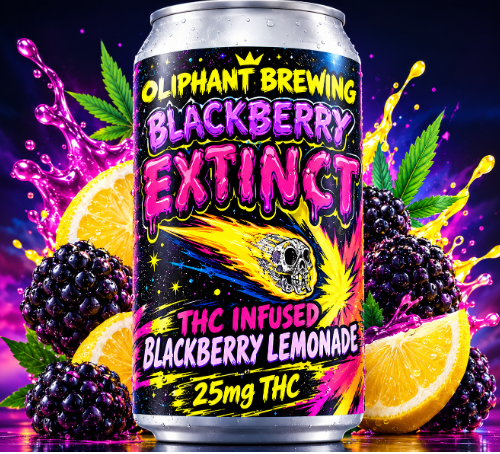
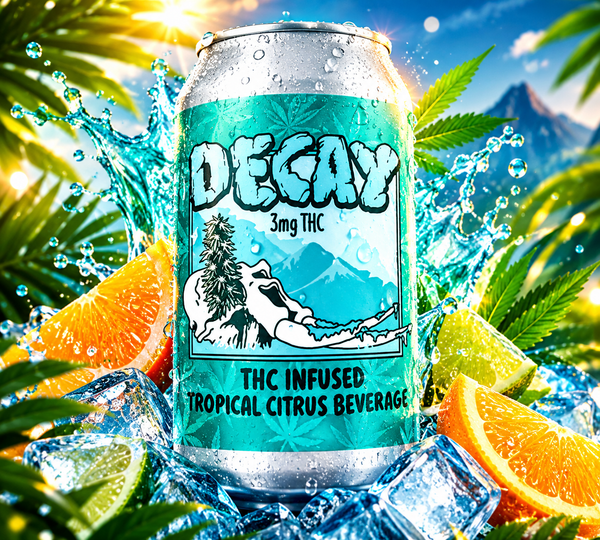
Alcohol-free THC drinks lifestyle is not a fringe flex anymore. It is becoming a real, repeatable way to keep your social life loud while your mornings stay quiet. And the timing makes sense: 45% of U.S. adults say they plan to drink less alcohol in 2025(Gallup, 2025), and the “sober curious” movement keeps pushing zero-proof menus into mainstream bars.
But here’s the catch: swapping alcohol for THC drinks is not a 1:1 trade. Effects, onset time, dosing, and social pacing all work differently. This guide breaks down what’s actually happening in 2026, how to use THC drinks as a social alternative without overdoing it, and how to build a non-alcoholic cannabis lifestyle that feels balanced, not chaotic.
Why THC drinks are showing up in sober curious culture
“Sober curious cannabis” is basically the new middle path: people who are not trying to be saints, just trying to feel better. Alcohol can be fun, but it is also predictable in the worst ways: bad sleep, anxiety spikes, empty calories, and regret texts.
On the data side, the shift away from alcohol is real. In a long-running national study, young adults ages 18–34 reported lower alcohol use over time compared with prior generations (Monitoring the Future, 2023). Meanwhile, cannabis has become more normalized with each election cycle and each new regulated market.
Reality check: THC drinks are not consequence-free
THC can still impair coordination, attention, and reaction time. And unlike alcohol, edibles and drinks can sneak up on you if you chug first and think later. Balanced means intentional use, not “same chaos, different substance.”
THC drinks vs alcohol: what the science and stats actually say
Alcohol and THC both change mood and perception, but they do it through different systems. Alcohol is a central nervous system depressant; THC interacts with the endocannabinoid system. Your “buzz curve” and next-day feel can be totally different.
A simple comparison table for social decision-making
|
Factor |
Alcohol |
THC drinks |
Best practice for balance |
|---|---|---|---|
|
Onset |
Fast (minutes) |
Often slower (15–60+ min), depends on formulation |
Start low, wait longer than you think |
|
Social pacing |
Rounds + refills are normalized |
Easy to overdo if you “keep up” like alcohol |
Pre-set a mg limit for the night |
|
Next-day effects |
Hangover, poor sleep, dehydration |
Possible grogginess, brain fog, dry mouth |
Hydrate, lower dose, avoid late-night stacking |
|
Impairment |
Motor + judgment impairment |
Motor + attention impairment; can be dose-sensitive |
No driving, no risky mixing |
|
Predictability |
More predictable for experienced drinkers |
Varies by metabolism, food, tolerance, cannabinoids |
Test products at home before social use |

How to build a balanced non-alcoholic cannabis lifestyle (without becoming “that friend”)
The goal is not to replace one crutch with another. The goal is a lifestyle where THC drinks are a tool, not the main character. That means setting guardrails that keep you feeling good during the night and proud the next morning.
Set your “THC budget” like an adult
For most cannabis-curious people, a smart social range is 2–5 mg THC to start, then reassess after a full hour. If you are experienced, you might go higher, but the “balanced” move is consistency, not hero dosing.
Why this works: lower doses reduce the odds of anxiety, over-impairment, and “I need to leave right now” energy.
Create a weekly rhythm, not a daily habit
If you feel yourself drifting into nightly use, pull it back. A balanced alcohol-free THC drinks lifestyle often looks like 1–3 planned sessions per week, with “off” days to keep tolerance and dependence risk lower.
Choosing THC drinks in 2026: labels, formulations, and what matters now
By 2026, beverage tech has leveled up. You will see more fast-onset emulsions, more minor cannabinoids, and better taste masking. You will also see more “wellness-coded” marketing, so you need a sharper filter.
THC drinks as a social alternative: scripts, scenarios, and tactics that actually work
The biggest fear people have is not the substance. It is the social moment: “What do I do with my hands?” “Will I be boring?” “Do I have to explain myself?” Good news: you can keep your edge, your vibe, and your boundaries.
Best practice: pair THC drinks with “anchor behaviors”
Anchor behaviors are actions that keep you grounded: eat before, drink water between sips, and have a planned ride. They sound boring. They also keep your night fun instead of sloppy.

A practical 4-week plan to go alcohol-free with THC drinks (balanced, not extreme)
If you want a non-alcoholic cannabis lifestyle that feels intentional, use a short plan. The point is to learn your dose, your timing, and your social rhythm without accidental overuse.
|
Week |
Goal |
THC drink approach |
Success metric |
|---|---|---|---|
|
1 |
Baseline reset |
Pick 1 low-dose session (1–2.5 mg). No mixing. |
Wake up feeling normal, no anxiety spike |
|
2 |
Dial in dose |
2 sessions max. Increase by 1–2.5 mg only if needed after 60–90 min. |
Consistent “good” effect window |
|
3 |
Social rehearsal |
Use THC drinks in one real social setting with a mg cap. |
No over-impairment, solid conversation |
|
4 |
Sustainable rhythm |
Choose 1–3 planned days per week. Add alcohol-free days with no THC. |
You feel in control, not compelled |
Safety, legality, and “what if” situations (because real life is complicated)
Balanced also means boring stuff like compliance, interactions, and personal risk. THC beverages are regulated differently by state and country, and rules keep changing. In 2026, expect more enforcement around labeling, dosage caps, and marketing claims in multiple markets.
If you are on medications or have health conditions
THC can interact with certain medications and can worsen anxiety or psychosis risk in susceptible individuals. If you take SSRIs, benzodiazepines, stimulants, or sleep meds, talk to a clinician who can give personalized guidance. This is especially important if you have a history of panic attacks or bipolar disorder.
If you are trying to lose weight or improve training
THC drinks can be lower-cal than alcohol, but munchies are real. Build a “post-session snack plan” that is high-protein and portioned. If performance matters, avoid dosing right before training and prioritize sleep consistency.

Conclusion
THC drinks can fit into an alcohol-free lifestyle in a way that feels modern, social, and actually sustainable. The winning formula in 2026 is not “get blasted.” It is micro dose-friendly products, smart pacing, and a routine that supports your real life.
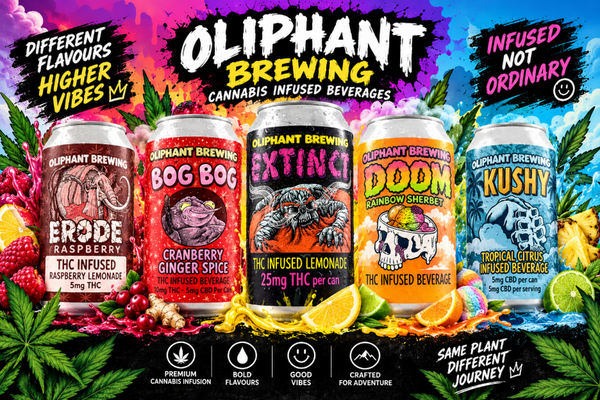
Want help picking the right THC beverage vibe for your next alcohol-free hang? Oliphant Brewing is building bold, better-for-tomorrow drink experiences for cannabis-curious people who still like to have fun. Contact us to talk product, partnerships, or where to find our latest drops: [add your preferred email, web form link, or social handles here].
Frequently asked questions
What does “alcohol-free THC drinks lifestyle” actually mean?
It means you use THC beverages as a planned alternative to alcohol in social and relaxation settings, with clear limits and intentional pacing. The focus is reducing alcohol’s downsides while avoiding overuse of THC. Balanced looks like predictable dosing, scheduled off-days, and no driving.
Are THC drinks a good THC drinks social alternative to alcohol?
For many adults, yes, because they preserve the social ritual of holding a drink without alcohol’s hangover cycle. But they are not risk-free and can cause impairment and anxiety at higher doses. The best results come from low-dose options and slow pacing.
How much THC should a beginner start with in a drink?
Start with 1–2.5 mg THC, especially if you are cannabis-curious or sensitive to anxiety. Wait at least 60–90 minutes before taking more. Your first goal is comfort and predictability, not intensity.
How long do THC drinks take to kick in?
Onset varies by formulation and your body, but many people feel effects in 15–60+ minutes. Food, metabolism, and tolerance can slow or change the experience. Treat “fast-acting” claims as a hint, not a promise.
Can I mix THC drinks with alcohol if I’m trying to drink less?
It is strongly recommended to avoid mixing because it can increase impairment and lead to poor decisions. Public health guidance flags higher risk when substances are combined (CDC, 2024). If your goal is balance, pick one lane for the night.
Are THC drinks healthier than alcohol?
“Healthier” depends on your body, mental health history, and use patterns. Alcohol has well-documented links to cancer risk and sleep disruption (WHO, 2023; NIAAA, 2023), while THC can increase dependence risk for some users and may worsen anxiety in others (NIDA, 2020). The healthiest approach is low-dose, occasional use, and consistent sober days.
What should I look for when buying THC drinks?
Check THC per serving and per container, look for third-party lab testing, and choose dosing that fits your plan. If you are new, pick micro dose-friendly cans and avoid high total THC. Try new products at home before using them socially.
Can THC drinks help with social anxiety when I’m sober curious?
Low doses help some people feel more relaxed, but higher doses can backfire and increase anxiety. If social anxiety is a pattern, combine low-dose choices with non-substance tools like breathing, planned conversation starters, and earlier arrival times. If anxiety is severe, get clinical support rather than relying on THC.
Will THC drinks show up on a drug test?
Yes, they can. Most workplace tests look for THC metabolites, not the method of consumption. If testing is a concern, avoid THC products and consider non-intoxicating alternatives where legal.
How do I build a non-alcoholic cannabis lifestyle without using THC every day?
Plan your sessions, set a weekly limit, and keep at least a few days completely substance-free. Track what you take and how you feel the next day to prevent accidental creep. If you notice tolerance rising fast, reduce frequency and dose for a couple weeks.