Introduction — A Growing Market With a Wide Quality Range
The THC beverage market has expanded dramatically in the past few years. Walk into a gas station, a dispensary, a grocery store, or browse online, and you will find dozens of brands offering hemp-derived THC in drinkable form — seltzers, tonics, lemonades, sparkling waters, and more. The sheer variety can feel reassuring. It is not.
A large number of options does not mean a large number of quality options. The THC beverage category, like most fast-growing consumer product markets, contains a wide spectrum of quality — from thoughtfully formulated products made by people who genuinely understand beverage craft, to rush-to-market options that hit a price point but deliver a mediocre experience at best.
Understanding what separates craft THC beverages from mass-market ones helps you spend your money more wisely and, more importantly, helps you find products that are actually enjoyable to drink. This guide covers what to look for, what to avoid, and why Oliphant Brewing's approach represents the craft end of this spectrum.
What We Mean by Craft vs Mass-Market in Cannabis Beverages
The word "craft" gets used loosely in every consumer category it touches — beer, spirits, coffee, food. In the context of THC beverages, it is useful to define what the distinction actually means in practice rather than treating it as a vague quality signal.
A craft THC beverage is one where formulation decisions are driven by quality and consumer experience rather than cost minimization and production scale. This shows up in ingredient selection, in the depth of flavor development work, in how much attention is paid to dosing consistency, and in the transparency of the producer about what is in the product and how it was made.
A mass-market THC beverage is one where scale is the primary design constraint. Ingredients are chosen for supply chain reliability and cost efficiency. Flavors are developed to meet broad consumer acceptance rather than genuine taste excellence. Dosing may be nominally accurate but inconsistency from unit to unit is tolerated as an acceptable variance. Speed to market and shelf presence matter more than craftsmanship.
Neither approach is inherently dishonest — but they produce meaningfully different products. If you are choosing primarily on price, mass-market options may serve your needs. If you care about what you are drinking, craft is the direction to look.
Ingredient Quality: Where the Differences Start
Every consumer packaged beverage is only as good as what goes into it. This is a basic truth that craft producers take seriously and mass-market producers frequently rationalize away. In THC beverages, ingredient quality affects three things that matter directly to the consumer: flavor, consistency, and safety.
The base liquid matters. Water quality, filtration, and mineral profile affect how a beverage tastes in ways that most people underestimate. Craft brewers are acutely aware of water's role in finished product quality — it is one of the four core ingredients in beer for a reason. The same sensitivity to base liquid quality applies to THC seltzers and beverages
Natural flavoring sources matter. There is a significant difference between a lemon flavor made from actual lemon and one made from a synthetic approximation designed to cost as little as possible. Craft producers sourcing quality natural ingredients produce drinks that taste like the real thing because they are built from something close to it.
Sweetener choice matters. High-fructose corn syrup, erythritol, sucralose, cane sugar, agave — each creates a different sweetness character, a different finish, and a different effect on how the other flavor elements in the drink are perceived. Craft formulators make these choices deliberately. Mass-market products make them economically.
Hemp Extract: Not All Sources Are Equal
The THC in a hemp beverage comes from hemp extract, and the quality of that extract varies enormously depending on the source plant, the extraction method used, and the refinement process applied before the extract enters the formulation.
Lower-quality extracts often carry off-flavors — grassy, earthy, or chemical notes that the formulator then has to compensate for with heavy flavoring, sweetness, or other masking ingredients. The result is a drink where the base ingredient is fighting the intended flavor rather than supporting it.
High-quality, cleanly refined hemp extract integrates into a beverage without adding objectionable flavor contributions. It allows the formulator to build a drink where the flavor leads and the THC is simply present — functional without being intrusive. This is the standard that craft producers aim for and that mass-market producers frequently compromise on in the name of cost.
The sourcing rigor that Oliphant applies to hops and grain in its brewery carries directly into how it selects hemp extract for its THC beverage line. The same questions get asked: where does this come from, how was it processed, and what does it contribute — positively or negatively — to the finished product?
Flavor Formulation: Craft Skill vs Flavor Masking
Flavor development in beverages is a genuine skill. Professional flavorists spend years learning how flavor compounds interact, how different base ingredients affect perception, and how to build a flavor arc that holds up across the full experience of drinking — not just the first sip.
In craft THC beverage production, this skill is applied with the same intention as it is in craft brewing: to create something that is genuinely enjoyable, not merely tolerable. The distinction matters in practice. A well-formulated THC beverage invites you to drink slowly and notice the flavor. A poorly formulated one gets consumed as quickly as possible so the THC takes effect.
Mass-market THC beverages often rely on flavor masking rather than flavor building. The goal is to cover the hemp extract's off-notes with enough sweetness or citric acid that the consumer does not notice the base ingredient. This works after a fashion, but the result is typically a one-dimensional drink — sweet, slightly sour, vaguely fruit-flavored — that does not hold up to repeated consumption.

Craft formulation asks a different question: what flavors actually want to live with this hemp extract, and how do we build a balanced drink around that combination? This is the question Oliphant's team brings to every new beverage development project, and the answer shows up in how the finished products taste.
Dosing Accuracy and Consistency: Why It Matters More Than You Think
One of the practical arguments for choosing craft over mass-market THC beverages is dosing reliability. If the label says 5mg of THC per can, what percentage of cans actually contain something close to that amount? The answer varies significantly depending on the producer's quality control infrastructure.
Inaccurate dosing matters for obvious reasons — a consumer trying to manage their experience responsibly needs to know that the dose listed on the can reflects what they are actually consuming. But it also matters because inconsistency erodes trust. If one can hits harder than expected and another barely registers, the product becomes unpredictable. Unpredictable products do not build loyal consumers.
Craft producers who come from a beverage manufacturing background — like a professional brewery — already have the infrastructure for consistent production monitoring in place. Dosing accuracy testing, batch documentation, and process controls are built into how they operate. This is not an add-on; it is how professional beverage production works.
Mass-market operations that entered the THC beverage space primarily as CPG companies, without deep beverage production experience, sometimes discover too late that consistent dosing requires more process discipline than they initially built in. The consumer bears the cost of that learning curve.
Water-Soluble Technology and What It Means for Your Experience
Understanding a bit of the science behind THC beverage formulation helps explain why craft matters in this category in particular. THC is naturally hydrophobic — it does not mix with water. Getting it into a water-based beverage in a form that distributes evenly and absorbs predictably requires technology: specifically, emulsification processes that break the THC into tiny droplets small enough to stay suspended in liquid.
The quality of this emulsification affects both the dosing consistency discussed above and the onset experience. Poorly emulsified THC can pool in the liquid, creating hot spots of concentration that make dosing unpredictable from sip to sip. Well-emulsified THC distributes evenly and absorbs more efficiently through oral and gastrointestinal pathways, often producing a faster and more consistent onset than traditional edibles.
Craft producers who take this seriously invest in quality emulsification technology and test its effectiveness in their specific formulations. The Oliphant approach to water-soluble THC reflects this commitment — treating the delivery mechanism as a formulation challenge that deserves the same rigor as any other ingredient decision.
Carbonation, Mouthfeel, and the Full Sensory Picture
Taste is only part of the sensory experience of a beverage. Carbonation level, mouthfeel, and finish all contribute to whether a drink feels pleasant to consume or merely functional. These dimensions are where brewing expertise shows up in unmistakable ways.
Carbonation is not a single variable. The size of the bubbles, the persistence of the effervescence, and the CO2 level all affect how a drink feels in the mouth and how it interacts with flavor compounds. Over-carbonated beverages can be harsh and sharp; under-carbonated ones feel flat and dull. Getting it right requires process knowledge and equipment precision — exactly what a professional brewery has developed over years of production.
Mouthfeel — the texture and weight of a beverage in the mouth — is affected by dissolved solids, sweetener type, and carbonation level. A well-built THC seltzer has a clean, refreshing mouthfeel that does not linger unpleasantly after swallowing. A poorly formulated one can feel thin, syrupy, or artificially smooth in ways that detract from the overall experience.
Mass-market producers often treat these variables as secondary to flavor and dosing. Craft producers, particularly those with brewing backgrounds, treat them as primary — because the experience of drinking a well-made beverage is a whole-body thing, not just a taste thing.
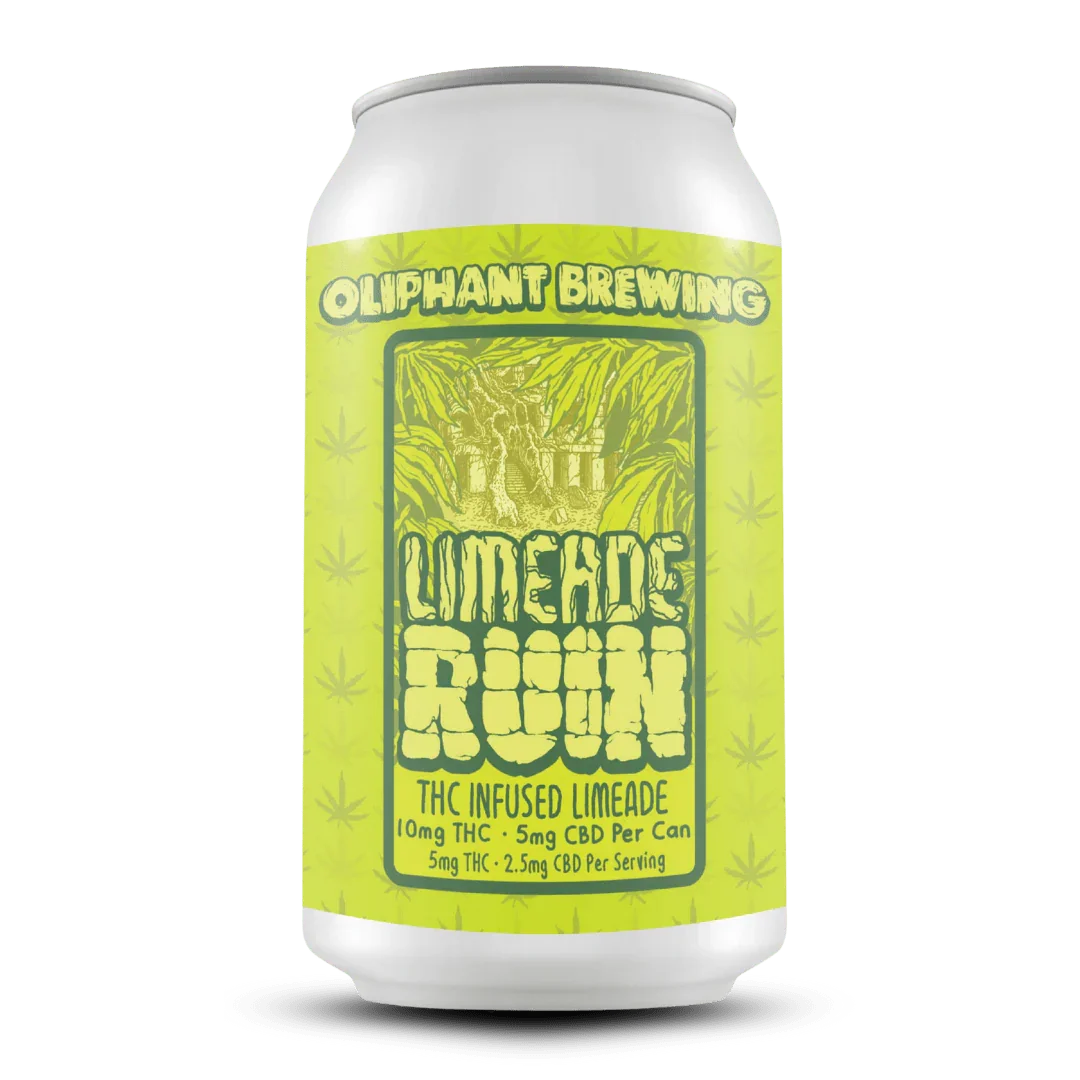
Label Transparency and Third-Party Testing
One of the clearest signals of a craft-minded THC beverage producer is what they are willing to put on their label and back up with documentation. At a minimum, a trustworthy THC beverage should clearly state the milligrams of delta-9 THC per serving, the total volume of the beverage, and a clear indication of how many servings the container contains.
Beyond the label, third-party testing is the gold standard for validating what a producer claims is in their product. Third-party labs test for potency accuracy — verifying that the labeled THC content matches the measured content — as well as for contaminants, including heavy metals, pesticide residues, and microbial content.
Craft producers make this information accessible because they have nothing to hide and because they understand that transparency builds the trust that creates repeat customers. If a THC beverage brand you are considering cannot point you to third-party testing documentation, that is a meaningful signal about their commitment to quality and consumer safety.
Mass-market producers may conduct some level of testing but are less likely to prioritize accessibility of this information to the average consumer. The legal requirements for disclosure are still evolving in this product category, which means the distinction between producers who do more than required and those who do the minimum is meaningful.
The Oliphant Standard: What Craft Looks Like in Practice
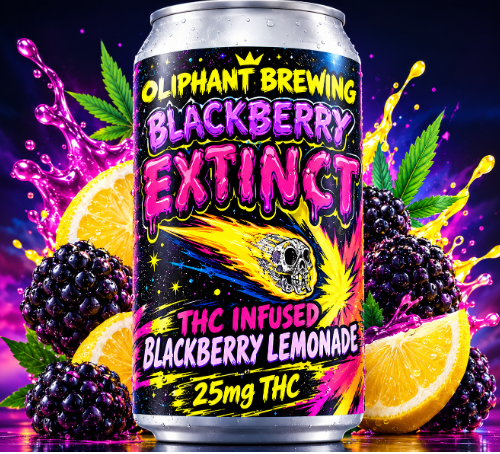
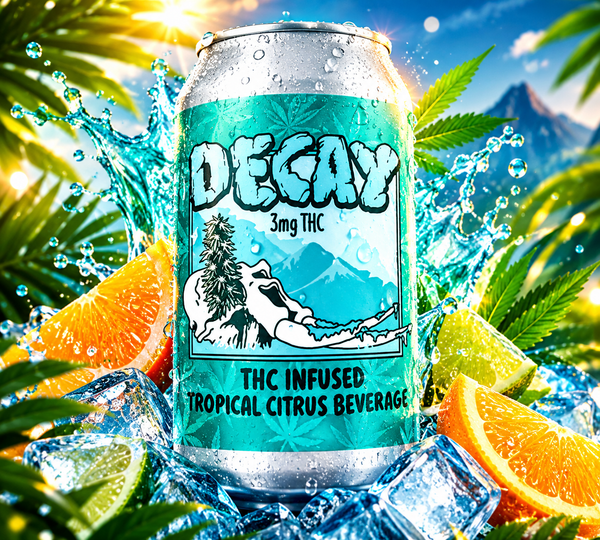
Oliphant Brewing entered the THC beverage market with a specific advantage: it is first and foremost a beverage company with deep production expertise, not a cannabis company that learned how to make drinks. This distinction matters in every dimension covered in this article.
On ingredients: Oliphant applies the same sourcing standards to its hemp extract and flavor inputs that it applies to hops and specialty grains in its brewery. Quality is the selection criterion, not cost.
On flavor: The brewing team's flavor development expertise informs how every THC beverage in the lineup is formulated. The goal is always a drink that tastes genuinely good — one you choose because you enjoy it, not one you tolerate because of what it delivers.
On consistency: The quality control infrastructure built for craft brewing maps directly onto THC beverage production. Batch testing, process documentation, and tolerance management are standard operating procedure.
On transparency: Oliphant backs its products with testing documentation and clear labeling. What the Oliphant label says is what is in the can.
How to Choose the Right THC Beverage for Your Goals
Now that you understand what separates craft from mass-market, here is a practical guide to making a choice that fits your specific situation.
If you are new to THC beverages, start with a low-dose option — 2.5mg to 5mg of THC per serving — from a producer with clear third-party testing documentation. Allow 30 to 60 minutes for onset before deciding whether to consume more. A well-formulated craft beverage will give you a predictable experience that helps you calibrate from there.
If you are an experienced consumer looking for quality, pay attention to the ingredient list. Natural flavors, clean sweeteners, and a short ingredient list are signals of genuine formulation work. Avoid products where the first few ingredients are sweeteners or where the ingredient list reads like a chemistry lab output.
If you are using THC beverages as an alcohol alternative in social settings, look for a carbonated option with a flavor profile that pairs naturally with food and conversation — something that does not demand attention but rewards it. The craft options in this space are noticeably more pleasant to consume over an extended evening than mass-market alternatives.
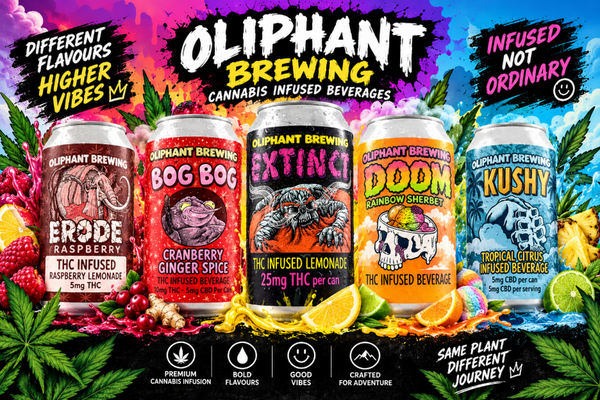
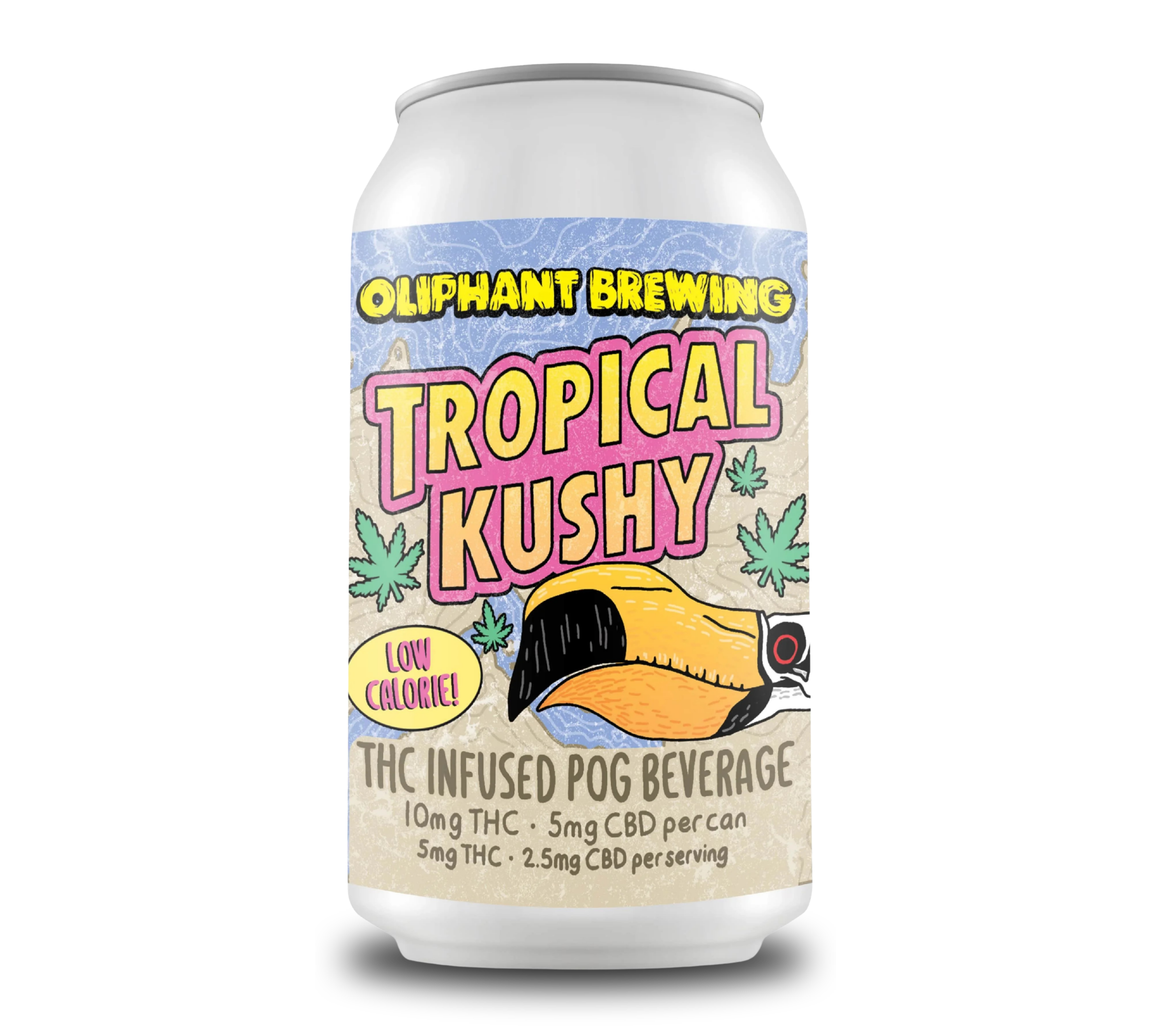
The Oliphant THC beverage range was designed with all three of these consumer types in mind — offering options across dose levels and flavor profiles that support different goals and occasions.
Conclusion — Quality Is Worth Seeking Out
The THC beverage market will continue to grow, and with that growth will come more options at more price points. The brands that will earn sustained consumer loyalty are the ones that prioritize quality at every stage — from ingredient sourcing through formulation, production, and transparency.
Craft producers like Oliphant Brewing represent one end of that quality spectrum: companies that bring genuine beverage expertise, honest ingredients, and a commitment to the consumer experience to a category that needs more of exactly that. The difference is real, it is tasteable, and it is worth seeking out.
Explore the Oliphant THC beverage lineup and experience what craft means in practice.
Frequently Asked Questions
How do I know if a THC beverage is actually craft quality?
Look for clear third-party testing documentation, a short and recognizable ingredient list, natural flavor sources, and a producer with a verifiable beverage manufacturing background. Craft producers are generally transparent about their process and willing to back their claims with documentation.
Are craft THC beverages more expensive?
Typically, yes — craft THC beverages cost more than mass-market options because quality ingredients and careful production cost more. However, the gap is often smaller than people expect, and the experience difference — in flavor, consistency, and overall enjoyment — is significant enough to justify the price for most consumers who care about what they are drinking.
What dose should I start with if I am new to THC beverages?
Start with 2.5mg to 5mg of THC per serving. Allow at least 30 to 45 minutes for onset before deciding whether to consume more. THC beverages with water-soluble formulations often act faster than traditional edibles, so patience is important — especially when trying a new product.
Can I drink a THC beverage at a social event the way I would drink alcohol?
Yes, and many people find craft THC beverages to be an excellent alcohol alternative in social settings. They are designed to be sipped slowly over time, they contribute to a relaxed social experience, and they do not carry the same morning-after effects as alcohol. Starting with a low-dose option and consuming at a pace you are comfortable with makes for a more controlled experience.
What is the difference between delta-9 THC beverages and CBD beverages?
CBD is non-intoxicating and primarily associated with relaxation and anti-inflammatory effects without psychoactive impact. Delta-9 THC is psychoactive — it produces the characteristic cannabis effect of altered perception, relaxation, and euphoria at higher doses. Hemp-derived delta-9 THC beverages are federally compliant when within the 0.3% dry weight threshold but produce genuine THC effects.
Where can I buy Oliphant THC beverages?
Availability varies by state and retail location. Visit the Oliphant Brewing website for current information on where to find their products, including any direct purchase options available in your area.