Introduction: Two Drinks That Look Similar but Behave Differently
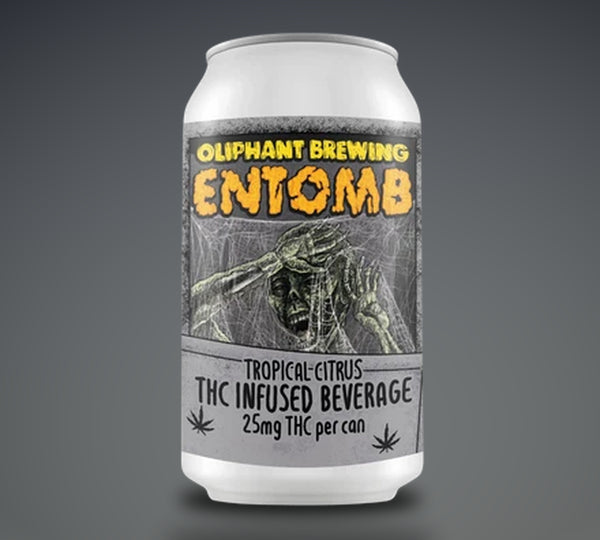
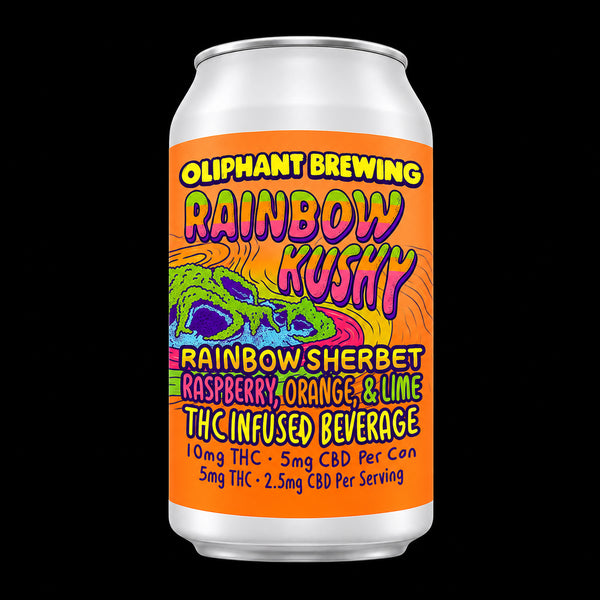
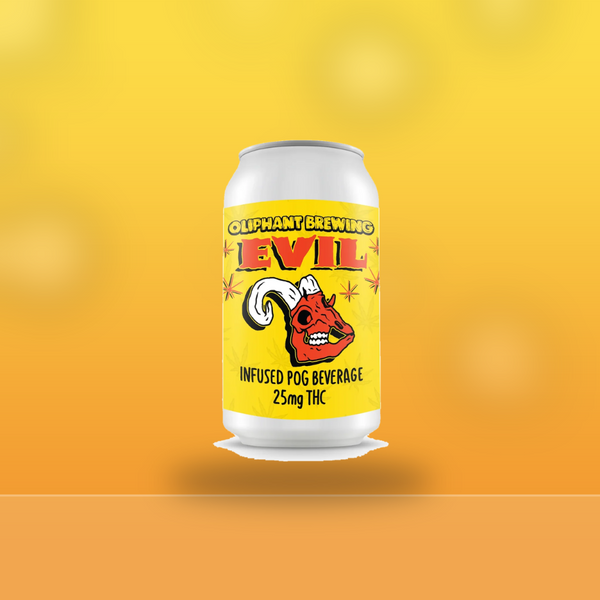
Set a can of plain seltzer next to a can of thc infused soda and they can look nearly identical from across the room at a glance. Both are carbonated, both come in similar cans, and both are often stocked in the same general part of a store. The similarities mostly end there once you actually understand what each individual drink is genuinely built to do.

This guide breaks down exactly what separates these two categories, from ingredients to actual effect, so the next time you are comparing thc soda drinks against a standard seltzer, you know precisely what distinguishes them beyond the can design and packaging alone. Browsing the current Delta-9 Drinks lineup alongside this guide gives you a real sense of what is currently available as you read through the differences.
What a Traditional Seltzer Actually Is
A traditional seltzer is simply carbonated water, sometimes with just a small amount of natural flavoring added, and nothing else at all in terms of active ingredients. It exists purely as a refreshing, calorie-light alternative to soda or juice, with no intoxicating effect and no active compound genuinely working on the body in any way.
This simplicity is part of the appeal. A seltzer is a low-commitment, universally approachable drink that fits into virtually any setting without requiring any consideration beyond taste preference and whether you want something carbonated or still.
What Makes a Soda Infused With THC Different at the Ingredient Level
A soda infused with THC starts from a genuinely similar carbonated base but adds hemp-derived Delta-9 THC, processed through emulsification technology so it blends evenly throughout the liquid rather than separating into a noticeable oily layer over time. This single addition fundamentally changes what the drink actually does once fully consumed.

Beyond the THC itself, these beverages often use more deliberate flavor engineering compared to a basic seltzer, since the goal is delivering a genuinely enjoyable taste experience alongside the effect, not simply a neutral, refreshing base. This is part of why thc carbonated soft drinks frequently taste closer to an actual flavored soda than to plain sparkling water.
How Carbonation Works the Same Way in Both
Despite their different purposes, the basic carbonation process is essentially identical between a seltzer and a THC soda. Both rely on dissolved carbon dioxide under pressure, released as bubbles once the can is opened, creating the same fizzy mouthfeel and crisp sensation on the tongue.
This shared mechanical process is exactly why the two categories can sit comfortably side by side on a shelf and appeal to a similar customer looking for a refreshing, carbonated option, even though what happens after drinking each one diverges considerably.
Why Flavor Formulation Differs Between the Two
A standard seltzer typically uses a light touch of flavoring, since the product is meant to feel clean and minimal rather than bold or indulgent. A THC soda more often leans into a fuller, more pronounced flavor profile, closer to an actual flavored soft drink, partly because the format is meant to feel like a genuine treat rather than a purely functional beverage.
This difference in flavor philosophy shows up clearly when comparing product lines directly. A basic seltzer brand might offer three or four subtle flavors, while a THC beverage brand frequently offers a much wider range of bold, dessert-inspired, or fruit-forward options built around genuine flavor enjoyment.
The Real Difference: What Happens After You Drink It
This is really the core distinction that actually matters beyond simple taste and outward appearance. A seltzer produces no effect whatsoever beyond basic hydration and refreshment. A THC soda produces a genuine intoxicating effect, arriving gradually as the cannabinoid is absorbed through the digestive system rather than instantly like the very first sip itself.
Understanding this distinction is essential for anyone new to the category, since treating a THC soda exactly like a regular seltzer, drinking several in quick succession without waiting to gauge the effect, is one of the most common mistakes new consumers make.
Comparing Onset Time and Duration
A seltzer has no onset time to speak of, since there is no active compound producing an effect. A THC soda typically takes 15 to 30 minutes before effects become noticeable, based on the timeline described directly by brands in this category, with the full experience unfolding gradually rather than all at once.
This delayed timeline is worth planning around specifically. Someone expecting a THC soda to feel exactly like finishing a seltzer, immediate and simple, may be caught off guard by effects that continue building for a while after the can is already empty.

Why Potency Labeling Matters Only for One of These Drinks
A seltzer has no reason to display a potency figure, since there is no active compound to measure. A THC soda absolutely requires this information, and reputable brands display an exact milligram count clearly on the can rather than a vague description. Current options span a wide range:
-
3mg options built for a very light, easygoing introduction
-
10mg options suited to a casual, everyday occasion
-
25mg options for a more noticeable, dedicated experience
-
50mg and 100mg options built for experienced consumers seeking a stronger effect
This kind of clear, tiered labeling has no real equivalent in the seltzer world, precisely because a seltzer has nothing at all that requires this level of measured disclosure in the first place.
Common Misconceptions People Have About THC Sodas
-
“THC Sodas Always Taste Like Cannabis”: A well-formulated product can be designed to balance or minimize cannabis-forward flavors while maintaining its intended soda profile.
-
“THC Automatically Makes a Soda Taste Worse”: Cannabinoid content does not necessarily determine overall flavor quality; formulation and flavor design also matter.
-
“THC Sodas Feel Just Like Alcohol”: THC and alcohol interact with the body differently, so their effects should not be expected to feel identical.
-
“A Familiar Beverage Format Means a Familiar Experience”: Being served in a can does not make THC beverages pharmacologically similar to conventional alcoholic drinks.
-
“The Beverage Format Determines the Effect”: The experience depends on factors such as THC content, individual response, and other product characteristics—not simply the fact that it is a soda.
-
“Everyone Will Experience Them the Same Way”: Individual responses to THC can vary considerably, so personal experiences are not universally predictable.
How to Choose Between a Seltzer-Style and Soda-Style THC Drink
Within the THC beverage category itself, some products lean closer to a lighter, seltzer-style base while others lean into a fuller, more traditional soda profile. Choosing between the two often comes down to whether you want something that feels light and easy to drink several of, or something that feels more like an indulgent treat meant to be savored slowly.
Browsing the full Shop All selection lets you compare both styles directly, since potency, flavor intensity, and overall drinking experience can vary considerably even within products that share the same basic THC beverage category.
Why Ingredient Transparency Matters for a THC Soda Specifically
Since a THC soda involves an active compound rather than just water and flavoring, ingredient transparency matters in a way it simply does not for a plain seltzer. Reviewing the Ingredients page before purchasing confirms exactly what is in a specific product, which a basic seltzer label rarely needs to address in the same depth.
This extra layer of transparency is not a downside of the category. It reflects the genuine difference in what the product is actually delivering, and a brand that makes this information easy to find is demonstrating the kind of accountability that a purely refreshing beverage never really needed to build in the first place.
How Format Options Fit Different Occasions
Because a THC soda delivers a genuine effect rather than pure refreshment, format and potency choice matter considerably more than they would for a seltzer, where any can basically works interchangeably with any other. Comparing options across the Delta-9 Drinks collection helps you match a specific potency to a specific occasion rather than grabbing whichever can happens to be closest.
A lighter option might suit a casual afternoon, while a stronger option might fit a dedicated evening with nothing else planned, a level of intentional planning that a simple seltzer purchase never really requires in the first place.
How Long-Term Users Think About This Distinction Differently
Someone who has enjoyed THC beverages regularly for a while tends to stop thinking about the seltzer comparison entirely, since the two drinks eventually occupy completely different mental categories rather than feeling like variations of the same thing. A seltzer becomes purely about refreshment, while a THC soda becomes purely about a planned, intentional experience.

Reaching this point simply takes a bit of direct experience with the category, which is exactly why understanding the underlying differences covered throughout this guide matters most during those first few purchases, before that clearer mental separation has had a chance to develop naturally.
Why This Comparison Also Comes Up With Regular Soda
The seltzer comparison is common, but the same underlying question applies just as well against a traditional sugary soda. Both a regular soda and a THC soda share bold flavor and full carbonation, but only one of them delivers an active compound alongside that shared sensory experience.
This broader comparison reinforces the same core lesson covered throughout this guide: appearance and format tell you very little about what a canned beverage actually does once consumed, and the only reliable way to know is checking the label and understanding what category a specific product actually falls into.
What This Means for Your Very Next Shelf Decision
The next time you are standing in front of a cooler full of similar-looking cans, the practical takeaway from this entire guide is simple: read the label before deciding based on appearance alone. A can that looks identical to a seltzer can deliver a completely different experience depending on what is actually printed in small text on the side.
Building this quick habit, checking the label rather than judging by can design, protects you from the most common source of confusion in this category and takes only a few seconds once it becomes a normal part of how you shop.
Conclusion
A THC infused soda and a traditional seltzer share the same fizzy, refreshing foundation, but they diverge completely once you look past carbonation. One is a simple, non-intoxicating refreshment. The other delivers a genuine, dosed effect built around flavor, potency transparency, and a gradual onset worth planning around. Understanding this difference sets up a far more informed first experience than assuming the two are interchangeable.
Frequently Asked Questions
Does a THC soda taste different from regular soda?
A well-formulated THC soda is built to minimize any cannabis-forward taste, aiming for a flavor that stands on its own rather than tasting noticeably different or worse.
How long does it take to feel effects from a THC soda?
Most people notice effects within 15 to 30 minutes, since the cannabinoid is absorbed gradually through the digestive system rather than producing an instant effect.
Why does a THC soda need potency labeling but a seltzer does not?
A seltzer contains no active compound to measure, while a THC soda contains a specific milligram amount of THC that needs to be clearly disclosed for informed consumption.
Is the effect of a THC soda similar to alcohol?
No, THC and alcohol affect the body through different mechanisms, so expecting an identical feeling to a beer or seltzer with alcohol can lead to confusion.
Can I drink several THC sodas in a row like a regular seltzer?
This is not recommended, since the delayed onset makes it easy to underestimate how much you have consumed before the full effect has actually arrived.