THC Seltzers have become a defining product category within modern cannabis drink trends. As legalization expanded and consumer preferences shifted, the beverage industry began exploring alternatives to alcohol that could offer controlled dosing and a different type of social experience. The evolution of THC seltzers reflects changes in regulation, manufacturing technology, and beverage culture.
At their core, THC seltzers are carbonated beverages infused with tetrahydrocannabinol. They are typically low in calories, measured in specific milligram doses, and designed to provide consistency. Unlike traditional edibles, they often use nano emulsification technology to support faster absorption.
The rapid growth of this segment cannot be understood without examining the broader history of THC beverages and the craft beverage movement that influenced their development.
The History of THC Beverages
Early Cannabis-Infused Drinks
The history of THC beverages predates commercial cannabis markets. Traditional preparations included herbal teas and tonics infused with cannabis plant material. These drinks were often homemade and lacked dosage precision.
Because THC is fat soluble rather than water soluble, early beverages were inconsistent. Without advanced emulsification methods, cannabinoids did not disperse evenly in liquid.
The Impact of Legalization
As hemp legalization expanded in the United States under the 2018 Farm Bill, manufacturers began exploring compliant ways to produce THC beverages. Hemp derived delta 9 THC products that remained within federal limits created new business opportunities.
State level legalization of recreational and medical cannabis further accelerated innovation. Beverage producers realized there was demand for alternatives to smoking and traditional edibles.
First Generation Cannabis Drinks
Early commercial cannabis beverages faced several challenges:
- Delayed onset times
- Overly sweet flavor profiles
- Limited shelf stability
- Inconsistent potency
These limitations pushed producers to refine manufacturing techniques. The next stage in the evolution of THC seltzers would rely heavily on beverage science and craft brewing knowledge.

The Rise of Cannabis Drink Trends
Modern cannabis drink trends are shaped by consumer lifestyle shifts rather than novelty alone.
Alcohol Alternatives
A growing segment of consumers is reducing alcohol consumption. Interest in moderation has contributed to the demand for low dose THC seltzers. Many consumers are seeking a social beverage that does not involve ethanol.
Wellness and Transparency
Consumers increasingly prioritize:
- Clear labeling
- Ingredient transparency
- Measured serving sizes
- Predictable experiences
THC seltzers align with these expectations by providing consistent milligram labeling and third party testing.
Microdosing Culture
Microdosing has become a central feature of cannabis drink trends. Instead of high potency products, many beverages contain 2 to 5 milligrams of THC per serving. This approach allows users to adjust intake gradually.
Microdosing also supports responsible consumption by reducing the likelihood of overconsumption.
Craft Brewing Influence on THC Seltzers
The craft brewing movement transformed how consumers think about beverages. Quality, experimentation, and community became central values. These same principles influenced craft THC seltzers.
Small Batch Philosophy
Craft brewing emphasizes careful formulation and ingredient selection. Beverage professionals entering the cannabis space brought expertise in:
- Carbonation control
- Flavor balance
- Water chemistry
- Packaging stability
This knowledge significantly improved the quality of THC seltzers.
Flavor Innovation
Craft beverage developers approach flavor as a layered experience. Rather than masking THC with sugar, modern formulations focus on natural fruit essences and balanced carbonation.
This focus on taste helped legitimize cannabis drinks as a category rather than a novelty.
Oliphant Brewing Roots
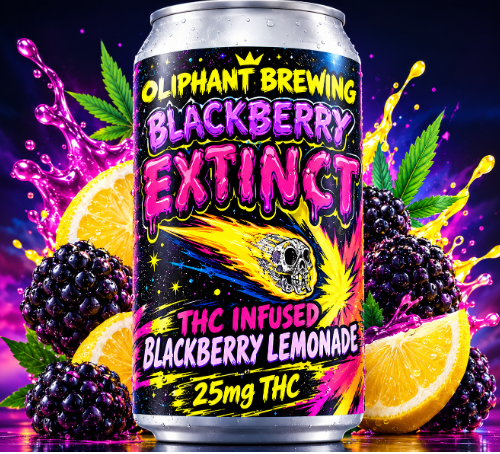
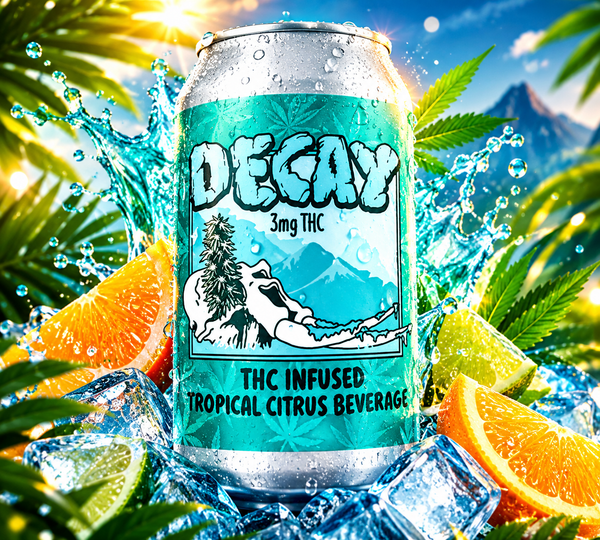
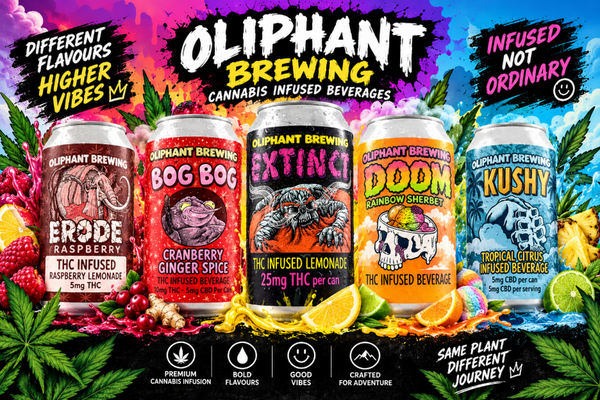
Oliphant brewing roots demonstrate how beverage craftsmanship translates into cannabis drink innovation. Experience in brewing environments supports attention to detail in formulation, ingredient sourcing, and consistency. These foundational practices contribute to the evolution of THC seltzers as a refined beverage category.

How THC Seltzers Are Made?
Understanding production methods clarifies why modern THC seltzers differ from earlier cannabis beverages.
Step 1: THC Extraction
Manufacturers extract THC from hemp plants using regulated processes such as:
- CO2 extraction
- Ethanol extraction
- Distillation
The goal is to produce a purified cannabinoid distillate that meets compliance standards.
Step 2: Nano Emulsification
Because THC does not naturally dissolve in water, nano emulsification is used. This process breaks THC oil into microscopic particles that remain suspended in liquid.
Benefits include:
- Improved stability
- More consistent dosing
- Faster onset compared to traditional edibles
Step 3: Flavor Development
Natural flavors are blended with carbonated water. Beverage developers test various combinations to ensure the cannabinoid presence does not overpower the intended taste profile.
Step 4: Carbonation and Packaging
Carbonation levels are carefully measured. Too much carbonation can affect flavor perception, while too little may reduce mouthfeel.
Step 5: Testing and Quality Control
Laboratory testing verifies:
- THC concentration
- Absence of heavy metals
- Absence of pesticides
- Accurate labeling
Quality control supports consumer trust and regulatory compliance.
THC Seltzers vs Traditional Alcoholic Beverages
|
Feature |
THC Seltzers |
Alcoholic Seltzers |
|
Active Compound |
THC |
Ethanol |
|
Onset Time |
10 to 30 minutes |
5 to 10 minutes |
|
Duration |
Several hours |
Varies |
|
Calories |
Typically low |
Moderate |
|
Hangover Risk |
Not alcohol related |
Possible |
|
Legal Framework |
Hemp and state dependent |
Federal alcohol laws |
This comparison illustrates why cannabis drink trends often position THC seltzers as alternatives rather than replacements for alcohol.

Regulatory Landscape and Compliance
The evolution of THC seltzers has been closely tied to regulatory clarity.
Federal Guidelines
Under federal law, hemp derived products must contain no more than 0.3 percent delta 9 THC by dry weight. This standard shapes beverage formulation and packaging sizes.
State Level Variation
States differ in:
- Age restrictions
- Retail licensing
- Serving size limits
- Labeling rules
Producers must monitor these variations to remain compliant.
Label Transparency
Clear labeling includes:
- Milligrams of THC per serving
- Total THC per container
- Ingredient list
- Testing disclosures
Compliance ensures both consumer safety and business continuity.
Consumer Education and Responsible Use
Education remains central to the future of THC drinks.
Consumers benefit from understanding:
- Onset timing
- Individual tolerance
- Interactions with alcohol
- Appropriate serving sizes
Providing accessible information reduces misuse and builds industry credibility.
For readers interested in learning more about onset timing, we recommend reviewing our detailed article on how THC beverages work. This resource explains how absorption rates vary and what factors influence how long THC drinks take to kick in.
The Future of THC Drinks
The future of THC drinks will likely depend on technological innovation and regulatory evolution.
Improved Emulsification
Emerging techniques may further enhance:
- Bioavailability
- Flavor neutrality
- Shelf life
Market Expansion
As consumer familiarity increases, distribution channels may broaden. Education and compliance will remain critical components of growth.
Product Diversification
Future cannabis drink trends may include:
- Balanced THC and CBD ratios
- Botanical infusions
- Functional ingredients
- Seasonal flavors
The evolution of THC seltzers demonstrates that innovation continues to shape this category.

Regulatory and Compliance Considerations for Carbonated THC Beverages
The THC beverage category operates within strict regulatory frameworks that vary by state or region. Carbonation in THC drinks introduces additional compliance considerations beyond standard cannabis product rules.
Manufacturers of sparkling cannabis drinks must address:
- THC concentration limits per serving and per container
- Child-resistant and tamper-evident packaging
- Accurate potency testing after carbonation
- Labeling requirements for ingredients and allergens
- Storage and transportation regulations for pressurized containers
Because beverage formulation THC processes involve emulsifiers, flavorings, acids, and carbonation systems, each ingredient must comply with local food safety standards. Additionally, pressurized packaging used for carbonated THC drinks must meet safety certifications to prevent leakage or rupture.
Regulatory bodies often require stability testing to confirm that THC potency remains consistent throughout shelf life. Carbonation levels, pH adjustments, and temperature changes can all affect product stability, which makes quality control essential in the THC beverage sector.
Understanding compliance requirements ensures that sparkling cannabis drinks remain safe, accurately labeled, and legally distributed.
Environmental Impact of Carbonated THC Beverage Packaging
As the THC beverage market expands, sustainability has become an important consideration. Carbonation in THC drinks typically requires aluminum cans or glass bottles capable of holding pressure. These packaging choices influence the environmental footprint of sparkling cannabis drinks.
Key environmental factors include:
- Recyclability of aluminum and glass
- Energy use in carbonation and canning processes
- Transportation efficiency based on package weight
- Shelf stability reducing product waste
Aluminum cans are widely recycled and lightweight, making them a common choice for mouthfeel THC seltzers. However, production energy use remains a factor. Glass offers reusability potential but increases shipping weight and breakage risk.
Beverage formulation THC teams must also consider ingredient sourcing, water usage, and manufacturing processes. Sustainable practices may include:
- Locally sourced ingredients
- Reduced water waste in carbonation systems
- Eco-conscious labeling materials
- Efficient batch testing procedures
As consumers become more environmentally aware, the sustainability profile of a THC beverage may influence purchasing decisions just as much as carbonation level or flavor profile.
Conclusion
The evolution of THC seltzers reflects a broader transformation in beverage culture. From the early history of THC beverages to the influence of craft THC seltzers shaped by Oliphant brewing roots, the category has matured into a structured and regulated market segment.
Cannabis drink trends continue to highlight demand for transparency, measured dosing, and alcohol alternatives. As production techniques improve and consumer education expands, the future of THC drinks will likely focus on consistency, compliance, and responsible enjoyment.
Brands such as Oliphant Brewing demonstrate how beverage craftsmanship can inform innovation within the cannabis space while maintaining regulatory awareness and quality standards.
Contact Us
To learn more about THC Seltzers, responsible consumption practices, or beverage development standards, contact us. Our team is available to provide additional information about our processes, compliance approach, and educational resources related to cannabis beverages.
Frequently Asked Questions
Q1: What are THC seltzers?
THC seltzers are carbonated beverages infused with tetrahydrocannabinol. They are designed as measured dose alternatives to traditional edibles and alcoholic drinks.
Q2: How fast do THC seltzers work?
Many products formulated with nano emulsification begin working within 10 to 30 minutes, although individual responses vary.
Q3: Are THC seltzers federally legal?
Hemp derived THC products that meet federal delta 9 limits may be legal, but state regulations vary.
Q4: What makes craft THC seltzers different?
Craft THC seltzers emphasize flavor balance, ingredient quality, and precise dosing influenced by craft beverage traditions.
Q5: What is the future of THC drinks?
The future of THC drinks includes improved technology, broader consumer education, and evolving cannabis drink trends.