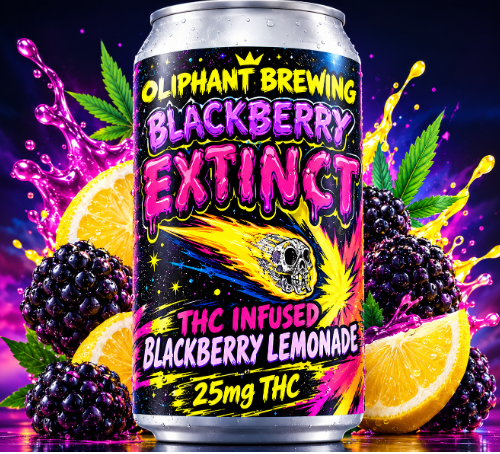
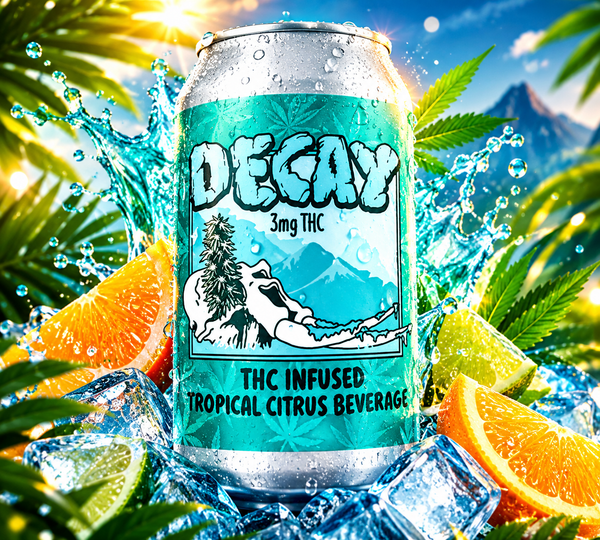
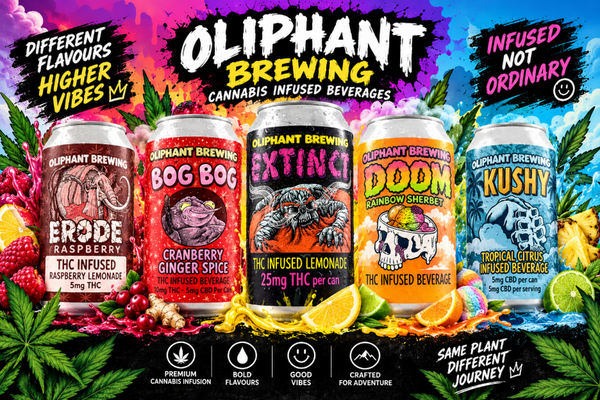
THC beverage label guide is the foundation for safe and informed cannabis consumption. As THC-infused drinks continue to grow in popularity, consumers need clarity on THC drink labels explained in a way that is practical and easy to understand. From serving size THC drinks to cannabis beverage ingredients and transparency THC standards, every detail on a label plays a role in the overall experience.
Unlike traditional cannabis formats, beverages offer controlled dosing and a more social consumption method. However, without understanding labels, users risk consuming too much or misunderstanding the product. This guide breaks down everything you need to know about THC beverage labels, helping you read them confidently and make informed choices.
Introduction to THC Beverage Labels {#introduction}
THC beverages are gaining popularity because they offer precise dosing and a smoke-free experience. Products like 3 mg THC seltzer and low-dose THC seltzers provide a microdosing option, which is ideal for new or cautious users.
This THC beverage label guide will help you decode labels, understand serving sizes, and explore cannabis beverage ingredients. By following transparency THC standards, you can safely enjoy every sip.
Why THC Drink Labels Matter?
Safety and Responsible Consumption
Labels ensure that users do not exceed safe THC limits. Overconsumption can lead to discomfort, making accurate labeling essential. Clear dosage information, especially in products like 3 mg THC seltzer and other low-dose THC seltzers, helps consumers control their intake and avoid unintended effects. This is particularly important for beginners exploring microdose THC beverages, where even small differences in dosage can impact the overall experience.
Legal Compliance
Cannabis regulations require clear disclosure of THC content, ingredients, and warnings. These regulations are designed to protect consumers by ensuring consistency and accountability across products. Accurate labeling of microdose THC seltzers and other beverages helps brands meet compliance standards while also providing essential usage guidelines and safety warnings.
Consumer Trust
Transparency THC labeling builds confidence by clearly stating what is inside the product. When consumers can easily understand cannabis beverage ingredients and THC levels, they are more likely to trust the brand. This is especially relevant for those looking to buy 3mg THC seltzer or other low-dose options, where precision and honesty play a key role in repeat purchasing decisions.
Product Comparison
Labels allow users to compare potency, ingredients, and serving sizes across brands. This makes it easier to choose between a standard THC drink and a microdose THC beverage based on personal preference. Consumers can evaluate different low-dose THC seltzers, assess ingredient quality, and select products that align with their desired experience and tolerance level.

Components of THC Beverage Labels
Potency Information
Potency refers to the amount of THC present in the drink. It is usually displayed as:
- Total THC per container
- THC per serving
Potency Categories
- Low dose: 2 to 5 mg
- Moderate dose: 5 to 15 mg
- High dose: 15 to 50 mg
Understanding potency helps users control their intake and experience. It also allows consumers to select beverages that match their tolerance level and desired effect. For example, a 3 mg THC seltzer or other low-dose THC seltzers provides a mild, manageable experience, making it ideal for beginners or those practicing microdosing. Awareness of potency ensures a safer, more enjoyable cannabis beverage experience.
Serving Size THC Drinks
Serving size THC drinks information is critical because:
- One bottle may contain multiple servings
- Effects vary depending on dosage
Always check:
- Number of servings per container
- Recommended serving size
Proper understanding of serving size prevents overconsumption and helps consumers plan their intake. This is particularly important for microdose THC beverages, where the difference between a single serving and the entire bottle can significantly impact the effect. Serving size information also enables users to compare products accurately and choose the one that fits their lifestyle or tolerance.
Cannabis Beverage Ingredients
Cannabis beverage ingredients determine both safety and taste. Common components include:
Base Liquids
- Water
- Sparkling water
- Juice blends
THC Extracts
- Hemp-derived THC
- Nano-emulsified THC for faster absorption
Flavoring Agents
- Natural fruit extracts
- Botanical infusions
Sweeteners
- Cane sugar
- Agave
- Stevia
Functional Additives
- Caffeine
- Vitamins
- Adaptogens
The combination of ingredients not only affects flavor but also the overall experience of the beverage. For instance, some microdose THC seltzers incorporate natural flavorings and functional additives to create a balanced, enjoyable product that complements the low-dose THC effect. Consumers should always review ingredient lists to ensure compatibility with dietary restrictions and personal preferences.
Transparency THC Labeling
Transparency THC practices include:
- Lab testing results
- Full ingredient disclosure
- THC and CBD ratios
- Batch numbers
This ensures accountability and consumer safety. Clear labeling allows users to verify potency, understand what they are consuming, and trust the brand, especially when purchasing low-dose THC seltzers or other microdose beverages. Transparent labels are a critical part of informed consumption, enabling a safe and predictable cannabis beverage experience.
How to Read THC Drink Labels Step by Step?
Step 1: Check Total THC Content
Look for the total milligrams of THC in the container. This tells you the overall potency of the product and helps you understand how strong the beverage is. For example, a 3 mg THC seltzer will typically contain a clearly defined total THC amount, making it easier for beginners or those exploring microdose THC beverages to manage intake safely.
Step 2: Identify Serving Size
Determine how many servings the drink contains. Some beverages, especially larger bottles, may include multiple servings even if they appear to be a single drink. This is common in both standard products and low-dose THC seltzers, so always verify whether one can equals one serving or more.
Step 3: Calculate THC Per Serving
Divide total THC by number of servings if not listed. This step is crucial for accurate dosing, particularly when consuming microdose THC seltzers, where small differences in milligrams can significantly impact the experience. Knowing THC per serving ensures better control over effects.
Step 4: Review Ingredients
Look for allergens, additives, or unfamiliar substances. Checking cannabis beverage ingredients helps you avoid unwanted reactions and ensures the product aligns with your dietary preferences. Many microdose THC beverages emphasize clean, simple ingredient lists for a more transparent and health-conscious experience.
Step 5: Check Lab Testing Information
Ensure the product has been third-party tested. Lab results confirm potency, purity, and safety by verifying THC levels and screening for contaminants. This is especially important when choosing low-dose THC seltzers, where precise labeling is essential for consistent microdosing.
Step 6: Look for Usage Instructions
Follow recommended intake guidelines. Labels often include directions for safe consumption, such as suggested serving amounts and waiting periods between doses. These instructions are particularly helpful when trying a 3 mg THC seltzer or other microdose options, as they guide users toward a controlled and predictable experience.

Serving Size THC Drinks Explained
Serving size THC drinks vary widely depending on the product.
Beginner Guidelines
- Start with 2 to 5 mg THC
- Wait at least 60 minutes
Moderate Users
- 5 to 10 mg THC
- Monitor effects before increasing
Experienced Users
- 10 to 25 mg THC or more
Key Tip
Always consume slowly. THC beverages can take longer to show effects compared to inhalation methods.
Cannabis Beverage Ingredients Breakdown
Nano-Emulsified THC
This technology improves absorption and onset time. It allows THC to mix evenly in liquids.
Natural vs Artificial Ingredients
Natural ingredients are generally preferred for:
- Better taste
- Fewer side effects
- Cleaner label transparency
Sugar Content
Some beverages contain high sugar levels, which may not suit all consumers.
Allergen Awareness
Always check for:
- Gluten
- Dairy
- Artificial preservatives
Transparency THC Standards in the Industry
Transparency THC is becoming a key differentiator among brands.
What Transparent Labels Include
- Exact THC content
- CBD levels
- Ingredient sourcing
- Lab results
Why It Matters
- Prevents misinformation
- Builds consumer trust
- Ensures compliance with regulations
Effects, Absorption, and Onset Time
How THC Beverages Work
THC drinks are absorbed through digestion and partially through the mouth lining.
Onset Time
- Typically 20 to 90 minutes
Duration
- Effects last 4 to 8 hours
Factors Affecting Experience
- Body weight
- Metabolism
- Tolerance level
- Food intake
Common Labeling Mistakes
Misinterpreting Total THC
Users often confuse total THC with per-serving THC.
Ignoring Serving Size
This leads to overconsumption.
Skipping Ingredients List
Hidden additives may affect health.
Assuming Uniform Effects
Different formulations produce different results.

Comparison Table of THC Beverages
|
Feature |
Low Dose Drink |
Moderate Drink |
High Dose Drink |
|
THC per serving |
2 to 5 mg |
5 to 10 mg |
15 to 25 mg |
|
Total servings |
1 |
2 to 5 |
5 or more |
|
Onset time |
30 to 60 min |
30 to 90 min |
45 to 90 min |
|
Ideal for |
Beginners |
Regular users |
Experienced |
|
Transparency level |
High |
Medium |
High |
Advanced Label Insights
Understanding THC Ratios
Some beverages include CBD to balance THC effects. This combination can help reduce psychoactive intensity while providing therapeutic benefits, making it ideal for those who want a more controlled or functional experience. Understanding the ratio of THC to CBD is especially important in microdose THC beverages and low-dose THC seltzers, as even small adjustments can affect relaxation, focus, or mood.
Microdosing Trends
Low-dose beverages are gaining popularity for controlled consumption. Products like 3 mg THC seltzer and other microdose THC seltzers allow users to enjoy subtle effects without feeling overwhelmed. This trend reflects a growing interest in functional cannabis use, where microdosing supports wellness, creativity, and social enjoyment while minimizing intoxication.
Functional Beverages
Some THC drinks include additional wellness ingredients, such as adaptogens, vitamins, or electrolytes, to enhance the overall experience. Functional microdose THC beverages provide both mild cannabis effects and added health benefits, making them appealing for users who want a balanced, purposeful consumption experience. This combination of THC, CBD, and functional additives represents the next evolution in thoughtful cannabis beverage design.
Conclusion
Understanding THC beverage labels is essential for making informed and responsible consumption decisions. From serving size THC drinks to cannabis beverage ingredients and transparency THC standards, each label component plays a critical role in ensuring a safe and enjoyable experience.
Brands like Oliphant Brewing focus on clarity, consistency, and transparency in THC labeling, helping consumers navigate the evolving cannabis beverage space with confidence.
For more information or to explore THC beverages, contact us.
Frequently Asked Questions
Q1: What is a THC beverage label guide?
A THC beverage label guide helps consumers understand potency, serving sizes, and ingredients for safe consumption.
Q2: How do I know how much THC to drink?
Start with 2 to 5 mg THC and wait before consuming more.
Q3: Are THC beverages safe?
Yes, when consumed responsibly and according to label instructions.
Q4: Why is transparency THC important?
It ensures accurate dosing, ingredient awareness, and consumer trust.
Q5: What ingredients should I look for?
Look for natural ingredients, clear THC content, and lab-tested products.