Introduction — The Social Role of What We Drink
Drinking has never been purely about thirst. From the communal wine vessels of ancient Greece to the craft cocktail bars of the twenty-first century, what we drink in social settings is deeply tied to identity, belonging, celebration, and ritual. The act of raising a glass is shorthand for connection — a shared language that cuts across cultures, generations, and occasions.

Now, for the first time in modern history, a new category of beverage is entering that ritual space in a meaningful way. THC beverages — cannabis-infused drinks that deliver the social and sensory benefits of THC in a familiar, drinkable format — are not just a trend. They represent a genuine shift in how a growing number of people think about what it means to drink socially.
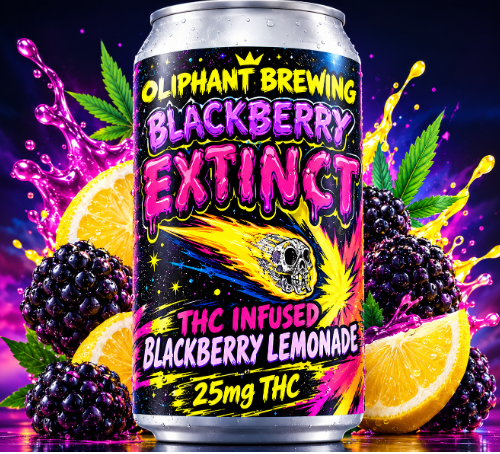
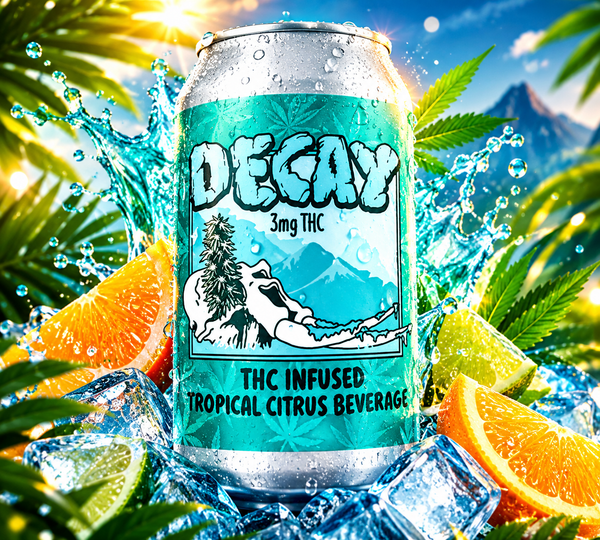
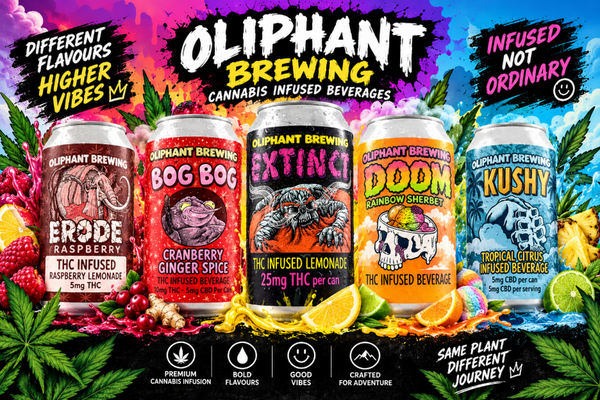
At Oliphant Brewing, we are building beverages for this shift. This post explores the cultural context behind the rise of THC drinks in social settings, the occasions where they are already finding a home, and what it means for the future of how we gather.
A Brief History of Ritual Drinking and Why It Matters
To understand why THC beverages are fitting so naturally into modern social rituals, it helps to understand what those rituals are really about. The act of drinking together is one of the most ancient and universal human behaviors. Archaeological evidence places communal fermented beverage consumption at least 9,000 years in the past — long before most of the social institutions we take for granted existed.
What fermented drinks offered, historically, was a socially sanctioned way to lower inhibition, signal trust, mark time, and bind communities together. The Roman symposium, the English pub, the Japanese izakaya, the American cocktail party — these are all variations on the same theme: a designated social space organized around the act of drinking together.
Alcohol became the default vehicle for these rituals not because it was the only option, but because it was the available option. It was fermentable, preservable, and widely producible. The ritual came first; the substance was secondary.
This distinction matters because it means the ritual is transferable. If a new substance can fulfill the same social functions — facilitating relaxation, reducing social friction, marking an occasion as special, providing a shared activity — it can slot into the ritual space that alcohol has historically occupied.
The Sober-Curious Movement and the Gap It Created
Over the past decade, a significant cultural shift has been underway in how younger adults think about alcohol. The sober-curious movement — which encompasses everything from dry January to permanent sobriety to simply drinking less — has moved from the margins to the mainstream.
Data from multiple consumer research firms consistently shows that Gen Z and younger Millennials are drinking less alcohol than any previous generation at comparable life stages. This is not primarily driven by health concerns, though those play a role. It is driven by a reassessment of the cultural script that tied social success and adult belonging to alcohol consumption.
But the sober-curious movement created a problem it did not fully solve: the social ritual remained. People still go to parties. They still gather for celebrations. They still want something to hold, something to sip, something that signals they are participating in the occasion. Non-alcoholic beer and mocktails addressed the form of the ritual — the glass, the carbonation, the flavor — without addressing the function. For many people, a non-alcoholic drink at a party feels like a performative absence rather than a genuine presence.
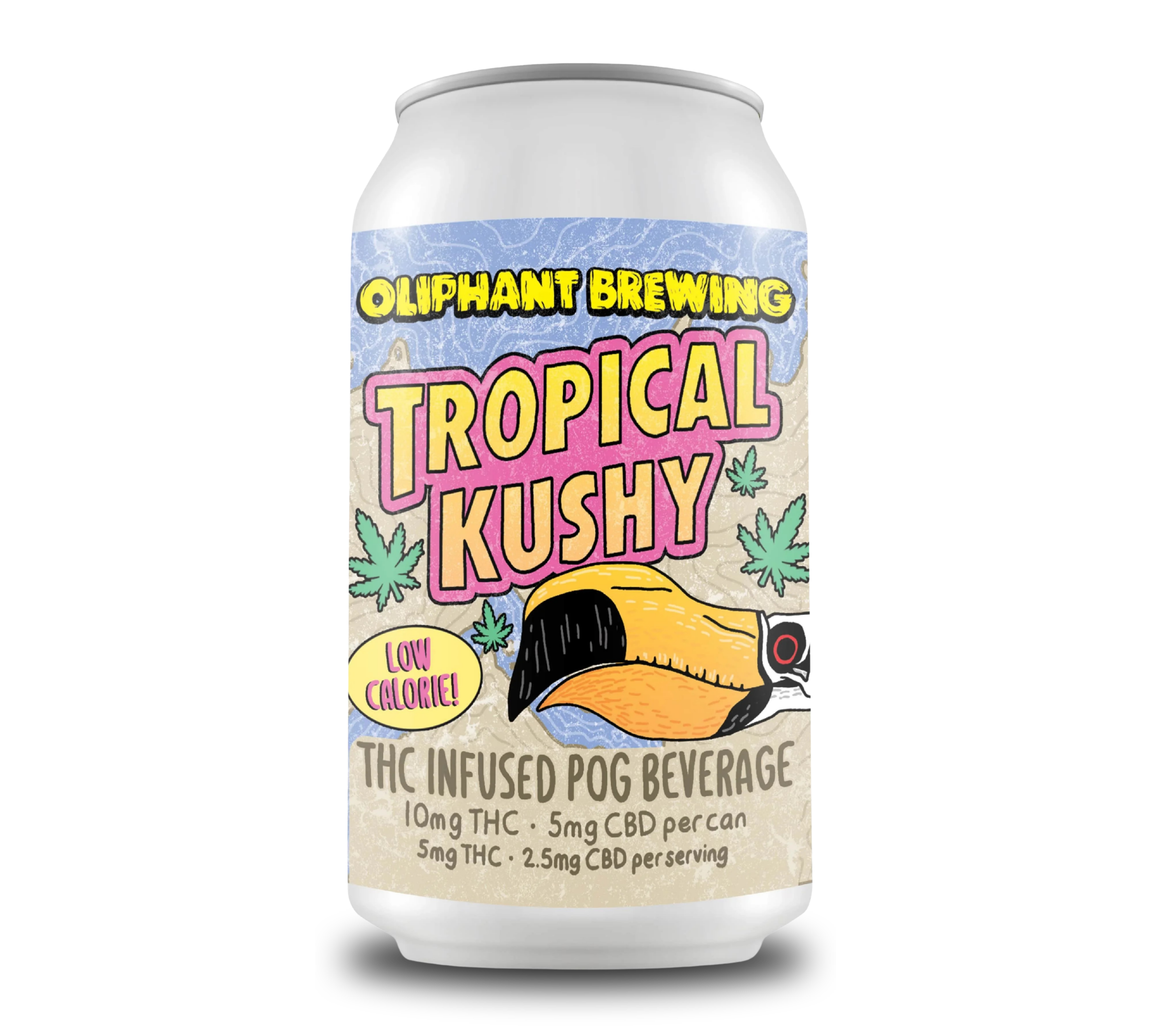
This is the gap that THC beverages fill. To understand how to use them across different occasions, our guide on building a THC drink rotation for different occasions offers a practical framework you can apply immediately.
Why THC Beverages Fill That Gap Better Than Anything Before
THC beverages succeed where non-alcoholic alternatives struggle because they address the function of the ritual, not just the form. When consumed at appropriate doses, THC produces real effects — a gentle loosening of social inhibition, an enhancement of sensory pleasure, a settling of anxiety — that are meaningful in a social context.
This is not to say that THC beverages are simply an alcohol replacement. They are a distinct category with their own profile of effects, their own onset and duration characteristics, and their own appropriate use cases. But in the specific context of social rituals, they offer something that no non-alcoholic beverage has ever offered before: an actual experience, not just a placeholder.
Consider the specific social functions that alcohol has traditionally served and how THC beverages measure up:
Reducing social anxiety: One of the most common reasons people drink in social settings is to quiet the internal monologue that makes group interaction feel effortful. Low-dose THC beverages produce a comparable effect — relaxation and reduced self-consciousness — without the sedation and cognitive blunting that can accompany higher doses of alcohol.
Marking an occasion as special: The act of opening a bottle or pouring a drink signals that a moment is being honored. THC beverages, particularly premium formulations, carry this signaling function in the same way that a well-chosen wine or craft beer does.
Creating a shared activity: Drinking together is about more than the drink — it is about the act of drinking together. THC beverages participate in this dynamic naturally because they are consumed in the same format and rhythm as alcoholic drinks.
Providing sensory pleasure: Taste, aroma, and mouthfeel are integral to the drinking ritual. Modern THC beverages are crafted with the same attention to flavor development as craft beer and artisanal spirits — they are designed to be genuinely enjoyable to drink.
The Occasions Where THC Drinks Are Already Taking Hold
The cultural adoption of THC beverages is not hypothetical — it is already happening across a range of social occasions. Here are the settings where cannabis drinks are most visibly changing how people gather:
Outdoor Events and Festivals
Music festivals, food and beverage events, and outdoor community gatherings have been early adopters of THC beverages. The portable, no-paraphernalia format makes cannabis drinks uniquely practical in these settings, and the moderate-dose options align well with the duration and social character of festival experiences.
Dinner Parties and Home Entertaining
The dinner party is one of the most ritual-saturated social occasions in modern life, and it is one of the places where THC beverages are finding the most organic adoption. Guests who are sober-curious or cannabis-friendly can now participate fully in the wine-and-drinks component of the evening without either abstaining or defaulting to alcohol. Hosts are increasingly offering THC beverages alongside wine as a deliberate choice rather than an afterthought.
If you are stocking up for a dinner party or gathering, explore Oliphant Brewing's full product collection to find options that work for a range of guests.
Workplace and Professional Social Events
Corporate happy hours, team celebrations, and networking events are occasions where alcohol has always been a complicated fit — not everyone drinks, and the professional context creates additional pressure around consumption levels. THC beverages offer an alternative that allows people to participate in the social ritual without the specific risks associated with alcohol in professional settings.
Wellness and Recovery Communities
People in recovery from alcohol use disorder, or those who simply prioritize physical and mental health, have historically been excluded from the ritual side of social drinking. THC beverages — particularly those in the low-dose range — are creating a pathway back into social ritual for people who have felt sidelined by the alcohol-default culture.
Sporting Events and Watch Parties
Game days, race days, match screenings — occasions where a drink in hand is part of the texture of the experience. THC beverages fit this context naturally, and the beverage format means consumption is visible and socially legible in the same way that holding a beer is.
Etiquette and Norms: How to Introduce THC Beverages Into a Social Setting
As THC beverages become more common in social settings, a set of informal norms is emerging around how to introduce and share them thoughtfully. If you are bringing cannabis drinks to a gathering or serving them at a hosted event, a few principles help ensure everyone has a good experience:
• Label them clearly. In a mixed setting, guests should always know what they are drinking. Keeping THC beverages visually distinct from non-THC options and clearly marking them prevents accidental consumption.
• Offer context without pressure. Not everyone at a gathering will be familiar with THC beverages or comfortable trying them. A brief, low-key explanation of what they are and what to expect — without advocacy or pressure — is the courteous approach.
• Start low in mixed company. When you do not know every guest's tolerance or experience level, default to lower-dose options (2.5 mg or below) for shared offerings. Guests who want more can always have a second drink; they cannot un-consume one.
• Respect non-participation. Some guests will decline for personal, professional, medical, or cultural reasons. This is no different from declining wine or beer. Gracious hosting means ensuring non-participating guests have equally appealing non-THC options available.
For a deeper look at how dose affects occasion-based use, our guide to building a THC drink rotation covers everything you need to know about matching dose to social context.

What Makes Oliphant Brewing a Natural Fit for Social Occasions
Not all THC beverages are created equal, and the ones that earn a place in social rituals are the ones that meet the standards of craft, flavor, and consistency that people expect from premium beverages in any category.
Oliphant Brewing was founded on the belief that cannabis beverages should be genuinely delicious — not merely functional. Every product in our lineup is developed with the same attention to flavor, balance, and drinkability that defines great craft brewing. Visit our about page to learn more about the philosophy and process behind the brand.
What this means in practice is that Oliphant Brewing beverages hold up in social settings not because they contain THC, but because they are excellent drinks that happen to contain THC. The difference is significant: a product that is first and foremost a pleasure to consume will integrate naturally into any occasion, while a product that prioritizes delivery over experience will always feel like a supplement rather than a social staple.
Our beverages are also designed with social transparency in mind — clear labeling, consistent dosing, and formats that make it easy for hosts and guests to make informed choices. When you bring Oliphant Brewing to a gathering, you are not introducing uncertainty. You are offering a premium product with a predictable, enjoyable experience.
Conclusion — A New Kind of Ritual
Social rituals are not static. Every generation inherits a set of cultural practices around how to gather, celebrate, mourn, and connect — and every generation also adapts those practices in response to new values, new options, and new understandings of what it means to live well.
The emergence of THC beverages as a social staple is one of those adaptations. It is not a rejection of the ritual of drinking together — it is an evolution of it. One that is more inclusive, more intentional, and more honest about why we drink in the first place.
Explore the full Oliphant Brewing lineup at drinkoliphant.com and bring something worth raising a glass to your next occasion.
FAQs
Are THC beverages legal to serve at social events?
Legality varies by state and jurisdiction. In states where cannabis is legal for adult recreational use, THC beverages can generally be consumed in private settings. Always check your local regulations before serving cannabis products at a hosted event, and note that public consumption laws differ from private consumption.
How do THC beverages affect people differently in social settings?
Individual responses to THC vary based on tolerance, body weight, food intake, and metabolism. In social settings, starting with low-dose options (2.5 mg or below) and allowing adequate time for onset helps ensure guests have a predictable and pleasant experience.
Can I serve THC beverages at an event alongside alcohol?
You can, but it requires careful communication. Mixing THC and alcohol is not recommended, and guests who are consuming both may find their THC experience more intense than expected. Clear labeling and honest conversation about what is being served is essential.
What should I look for in a THC beverage for social occasions?
Look for consistent dosing, clean ingredients, great flavor, and a dose level appropriate for mixed company. For most social occasions, beverages in the 2.5–5 mg range are the most appropriate and broadly enjoyable choice.
How are THC beverages different from cannabis edibles in social settings?
Beverages onset faster (15–30 minutes vs. 45–90 minutes for edibles), integrate more naturally into the social ritual of drinking, and are easier to moderate in real time. They are generally better suited to social occasions than traditional edibles precisely because of this faster and more predictable onset profile.
Is Oliphant Brewing available in my state?
Availability varies by region. Visit drinkoliphant.com to check current distribution, shop online, or find a retailer near you.